Category: DIY Cleaning Products & Tools
Learn our favorite homemade cleaning products and tools. These are effective and economical!
Learn our favorite homemade cleaning products and tools. These are effective and economical!
You likely have all these items in your house as it stands; so this should be relatively simple to put together.
Remember, it is wise to use these as a compliment to products you buy in-store. Store bought products and homemade products both serve a purpose. I use about 50% store bought and 50% homemade cleaners in my house.
The 4 key ingredients you’ll require are:
- Vinegar – mild disinfectant, grease cutter, de-scaler, glass cleaner
- Dish soap – neutral pH – gentle and safe on essentially every surface and a mild soap that can lifts off dirt and grime
- Rubbing alcohol – at least 65% USP in order for it to qualify as a disinfectant, can be mixed with water
- Hydrogen peroxide – naturally occurring bleach, used in Oxy powders. Uses oxygen to break bonds between dirt and bacteria and the surface they are on. A great disinfectant, stain remover and natural whitener.
Baking soda – abrasion, deodorizing, great for replacing a scouring powder. It’s not actually used in any of the recipes but can be used to boost cleaning power by sprinkling on a sprayed surface.
If you wish to, select an essential oil that you like (and perhaps has some extra beneficial properties) and add 10 drops to the bottle.
Here are the recipes:
Remember, it is wise to use these as a compliment to products you buy in-store. Store bought products and homemade products both serve a purpose. I use about 50% store bought and 50% homemade cleaners in my house.
The 4 key ingredients you’ll require are:
- Vinegar – mild disinfectant, grease cutter, de-scaler, glass cleaner
- Dish soap – neutral pH – gentle and safe on essentially every surface and a mild soap that can lifts off dirt and grime
- Rubbing alcohol – at least 65% USP in order for it to qualify as a disinfectant, can be mixed with water
- Hydrogen peroxide – naturally occurring bleach, used in Oxy powders. Uses oxygen to break bonds between dirt and bacteria and the surface they are on. A great disinfectant, stain remover and natural whitener.
Baking soda – abrasion, deodorizing, great for replacing a scouring powder. It’s not actually used in any of the recipes but can be used to boost cleaning power by sprinkling on a sprayed surface.
If you wish to, select an essential oil that you like (and perhaps has some extra beneficial properties) and add 10 drops to the bottle.
Here are the recipes:
Glass Cleaner
1 part water, 1 part vinegar. Use to clean windows and mirrors with a glass cleaning cloth or newsprint. The smell dissipates quickly.
1 part water, 1 part vinegar. Use to clean windows and mirrors with a glass cleaning cloth or newsprint. The smell dissipates quickly.
Disinfectant
1 part water, 1 part rubbing alcohol. Use to spray and leave after you’ve cleaned a surface, only use where required i.e. points of contact, cutting boards, bathrooms etc. Note that a disinfectant does not necessarily clean (i.e. lift dirt off) so this is the second part of a two-step cleaning process (first part is the actual cleaning with a cleaner).
1 part water, 1 part rubbing alcohol. Use to spray and leave after you’ve cleaned a surface, only use where required i.e. points of contact, cutting boards, bathrooms etc. Note that a disinfectant does not necessarily clean (i.e. lift dirt off) so this is the second part of a two-step cleaning process (first part is the actual cleaning with a cleaner).
All-Purpose Cleaner
1 tablespoon of dish soap per bottle of water. Great to use for cleaning kitchen, bathroom surfaces, hallways, most furniture. If you are finding residue, reduce the amount of dish liquid being used (they vary in recipes).
1 tablespoon of dish soap per bottle of water. Great to use for cleaning kitchen, bathroom surfaces, hallways, most furniture. If you are finding residue, reduce the amount of dish liquid being used (they vary in recipes).
Tub and tile Cleaner / Degreaser
1 part vinegar, 1 part dish liquid. Use for soap scum on tiles and glass, greasy kitchens etc. Spray, let it sit for 5 minutes and start to clean.
1 part vinegar, 1 part dish liquid. Use for soap scum on tiles and glass, greasy kitchens etc. Spray, let it sit for 5 minutes and start to clean.
Stain Remover
2 parts hydrogen peroxide, 1 part dish liquid. Amazing, simply spray on a stain, rub it in, rinse it out. It can also be used as a pre-treatment for stains. Test in an inconspicuous area first as the hydrogen peroxide may discolor.
2 parts hydrogen peroxide, 1 part dish liquid. Amazing, simply spray on a stain, rub it in, rinse it out. It can also be used as a pre-treatment for stains. Test in an inconspicuous area first as the hydrogen peroxide may discolor.
Some general tips
- Label bottles using easel tape and a permanent marker (easel tape is much easier to remove than a sticker label and is more water-resistant). Label the ingredients, date and name of product.
- Use clean bottles and triggers only – don’t use a bottle from another product until the trigger and bottle have been thoroughly rinsed and do not spray out or smell like the old product.
- Use different shapes, colours and sizes of bottles if possible to further ensure you are using the correct product.
- Make enough for 1-2 months of use and that’s it. These don’t have the same stabilizers that store-bought products do. Less additives means lower shelf-life.
- Never mix a recipe that you make up yourself without checking to see if it is safe to do, some items you cannot mix together!
Remember, a cleaner does not disinfect and a disinfectant does not clean – clean first, disinfect second
- Label bottles using easel tape and a permanent marker (easel tape is much easier to remove than a sticker label and is more water-resistant). Label the ingredients, date and name of product.
- Use clean bottles and triggers only – don’t use a bottle from another product until the trigger and bottle have been thoroughly rinsed and do not spray out or smell like the old product.
- Use different shapes, colours and sizes of bottles if possible to further ensure you are using the correct product.
- Make enough for 1-2 months of use and that’s it. These don’t have the same stabilizers that store-bought products do. Less additives means lower shelf-life.
- Never mix a recipe that you make up yourself without checking to see if it is safe to do, some items you cannot mix together!
Remember, a cleaner does not disinfect and a disinfectant does not clean – clean first, disinfect second
Cleaning Kit Essentials ;
So often, we hear from new grads, newlyweds or people who are moving out of their parents’ house and into their own place. Their biggest question for us is how to stock their new space with the right cleaning tools and products. Admittedly, it can get confusing to know what you need, since there are so many specialty products and tools out there. How do we know what we need to have, and how to do we know what’s just a nice to have.
What I’ve done, is assembled my list of cleaning essentials for you, and I’ll also explain how and where to store them for maximum efficiency in limited space.
So often, we hear from new grads, newlyweds or people who are moving out of their parents’ house and into their own place. Their biggest question for us is how to stock their new space with the right cleaning tools and products. Admittedly, it can get confusing to know what you need, since there are so many specialty products and tools out there. How do we know what we need to have, and how to do we know what’s just a nice to have.
What I’ve done, is assembled my list of cleaning essentials for you, and I’ll also explain how and where to store them for maximum efficiency in limited space.
Cleaning products:
I always lean to the more natural side, so I’ll use my own products or simple homemade solutions where possible. On that note, it’s really important to have the following in your cleaning kit:
I always lean to the more natural side, so I’ll use my own products or simple homemade solutions where possible. On that note, it’s really important to have the following in your cleaning kit:
1) Baking Soda
Not only is this a natural mild abrasive, it’s a deodorizer and makes the perfect additive to any cleaning solution to scrub out touch grease, soap scum and scuff marks. Check out our baking soda post here.
Not only is this a natural mild abrasive, it’s a deodorizer and makes the perfect additive to any cleaning solution to scrub out touch grease, soap scum and scuff marks. Check out our baking soda post here.
2) White vinegar
If you can find ‘full-strength’ vinegar you are in even better shape. Vinegar is a degreaser, a streak-free cleaning agent, a mild disinfectant, and a deodorizer. It’s amazing for everything from cleaning windows to cutting heavy kitchen grease to a simple floor cleaner. Check out all the things you can clean with vinegar here!
If you can find ‘full-strength’ vinegar you are in even better shape. Vinegar is a degreaser, a streak-free cleaning agent, a mild disinfectant, and a deodorizer. It’s amazing for everything from cleaning windows to cutting heavy kitchen grease to a simple floor cleaner. Check out all the things you can clean with vinegar here!
3) Dish soap
This is what is considered a pH neutral cleaner. Any time ‘warm, soapy water’ is called for, this is what you want to use. A small squirt goes a long way. Not only does it cut grease, it removes surface dirt and won’t harm or stain delicate surfaces.
This is what is considered a pH neutral cleaner. Any time ‘warm, soapy water’ is called for, this is what you want to use. A small squirt goes a long way. Not only does it cut grease, it removes surface dirt and won’t harm or stain delicate surfaces.
4) Rubbing alcohol (isopropyl alcohol/surgical spirits)
This is a disinfectant, which can be used to clean and sanitize surfaces and points of contact which harbour germs and bacteria. Learn about points of contact here!
Check out how to create your own, homemade cleaning products by checking out our video on 5 Homemade Cleaners!
I think you can clean your house with these products alone, but for full transparency, I’ll go a step further.
This is a disinfectant, which can be used to clean and sanitize surfaces and points of contact which harbour germs and bacteria. Learn about points of contact here!
Check out how to create your own, homemade cleaning products by checking out our video on 5 Homemade Cleaners!
I think you can clean your house with these products alone, but for full transparency, I’ll go a step further.
4) All-purpose cleaner
(homemade version: 1 teaspoon dish soap: 1 liter of water)
This is terrific for general surface cleaning. You can use this to clean furniture surfaces, remove build-up, clean counter tops and for general touch ups around the house. This cannot clean glass, remove clothing stains, and will only disinfect if the product specifically states it is a disinfectant.
(homemade version: 1 teaspoon dish soap: 1 liter of water)
This is terrific for general surface cleaning. You can use this to clean furniture surfaces, remove build-up, clean counter tops and for general touch ups around the house. This cannot clean glass, remove clothing stains, and will only disinfect if the product specifically states it is a disinfectant.
5) Disinfectant
(homemade version: 1 part rubbing alcohol: 1 part water)
This is the kind of product you want to use when cleaning points of contact (things we touch – check out our video on this), as well as surfaces in the kitchen and bathroom that are likely rife with bacteria. If you can, I would recommend selecting an all-purpose cleaner with disinfectant to save on space and cost.
(homemade version: 1 part rubbing alcohol: 1 part water)
This is the kind of product you want to use when cleaning points of contact (things we touch – check out our video on this), as well as surfaces in the kitchen and bathroom that are likely rife with bacteria. If you can, I would recommend selecting an all-purpose cleaner with disinfectant to save on space and cost.
6) Tub and tile cleaner (which can also be used for the toilet)
(homemade version: 1 part vinegar: 1 part dish soap)
This product is designed to handle soap scum, limescale and bacteria. It is good for all surfaces in the bathroom so long as they are not natural stone. If they are, a specialty product will need to be purchased.
(homemade version: 1 part vinegar: 1 part dish soap)
This product is designed to handle soap scum, limescale and bacteria. It is good for all surfaces in the bathroom so long as they are not natural stone. If they are, a specialty product will need to be purchased.
7) Glass cleaner
(homemade version: 1 part vinegar: 1 part water).
This is required to clean mirrors and windows, commercial products cannot be mixed with any other cleaning products.
(homemade version: 1 part vinegar: 1 part water).
This is required to clean mirrors and windows, commercial products cannot be mixed with any other cleaning products.
Cleaning tools you will need:
1) Double-sided sponges
Look for the type that is called ‘non-scratching’ to avoid scratching your surfaces. I like to have 2 on hand, one for the kitchen and one for the bathrooms.
Look for the type that is called ‘non-scratching’ to avoid scratching your surfaces. I like to have 2 on hand, one for the kitchen and one for the bathrooms.
2) Microfiber cloths
I love these cloths for cleaning, they dust and polish like nobody’s business. I usually have 5 on hand, but more never hurts. Do not use them for greasy jobs as you cannot wash oil out of them, check out our post on how to care for your cloths here. Invest in one good optical clothas well, you can use that for cleaning your electronics.
I love these cloths for cleaning, they dust and polish like nobody’s business. I usually have 5 on hand, but more never hurts. Do not use them for greasy jobs as you cannot wash oil out of them, check out our post on how to care for your cloths here. Invest in one good optical clothas well, you can use that for cleaning your electronics.
3) Cleaning toothbrush
These are free! Just use your old toothbrush (clean it first) for cleaning hard to reach areas. Keep it in your cleaning kit and disinfect after each use. You will be amazed at how many uses you can find for these!
These are free! Just use your old toothbrush (clean it first) for cleaning hard to reach areas. Keep it in your cleaning kit and disinfect after each use. You will be amazed at how many uses you can find for these!
4) Paper towel
I like paper towel for cleaning toilets or other bacteria-laden areas. That way, I can simply throw away the paper towel afterward.
I like paper towel for cleaning toilets or other bacteria-laden areas. That way, I can simply throw away the paper towel afterward.
5) Rubber gloves
These are optional, and up to you!
These are optional, and up to you!
6) Mop (and bucket)
Depending on what kind of floors you have, you can choose the kind of mop that suits your needs. If you get a twist mop, aim for a microfiber head (they clean much better and are easier to wash) as well as a good wringer bucket. If you don’t have much by way of hard floor surfaces, don’t even bother and just clean the floors by hand to save on space. Some flat head mops are OK, but I don’t find they get as good a clean as twist mops do, although they do save on space. It’s a toss-up and the choice is yours.
Depending on what kind of floors you have, you can choose the kind of mop that suits your needs. If you get a twist mop, aim for a microfiber head (they clean much better and are easier to wash) as well as a good wringer bucket. If you don’t have much by way of hard floor surfaces, don’t even bother and just clean the floors by hand to save on space. Some flat head mops are OK, but I don’t find they get as good a clean as twist mops do, although they do save on space. It’s a toss-up and the choice is yours.
7 ) Vacuum
So here’s where it gets dicey. A lot of folks don’t want to invest in avacuum because they feel it’s a lot to store, or too expensive, or useless, or a combination of these 3 ideas. The truth is, a vacuum is critical to cleaning. It removes dust, whereas sweeping only kicks it up and helps your space feel and be much cleaner. Search for a smaller, compact canister vacuum and you can even find used ones online, or ask for one as a grad gift. Believe me, they are well worth it.
So here’s where it gets dicey. A lot of folks don’t want to invest in avacuum because they feel it’s a lot to store, or too expensive, or useless, or a combination of these 3 ideas. The truth is, a vacuum is critical to cleaning. It removes dust, whereas sweeping only kicks it up and helps your space feel and be much cleaner. Search for a smaller, compact canister vacuum and you can even find used ones online, or ask for one as a grad gift. Believe me, they are well worth it.
8) Caddy
I would recommend a cleaning caddy to store and carry these items along with you, it makes things much easier!
I would recommend a cleaning caddy to store and carry these items along with you, it makes things much easier!
9) Spray bottles
If you plan on making your own products as suggested above, grab a few spray bottles or re-use some that you have at home from empty cleaning or hair products (just rinse them really well first).
If you plan on making your own products as suggested above, grab a few spray bottles or re-use some that you have at home from empty cleaning or hair products (just rinse them really well first).
Storage
In terms of how to store everything, here’s what I suggest. Designate a spot either under your kitchen or bathroom sink, in your linen or coat closet or in your laundry room to store your supplies. There are a lot of options available, and for really tight spaces, you can use some over the door storage racks to keep bottles and tools. If you have a shelf or cupboard free, I like to place all products in the caddy, ensure the lids are tightened and bottle sides and bases are clean (that way you avoid any grimy build-up) and include your toothbrush, clean cloths and bathroom sponge in there as well. You can roll your cloths up for easy storage! If you have a mop with bucket, you may want to consider using the bucket to store your supplies too which will save on space. You can keep your mop and bucket my your laundry machine, or inside your coat closet.
For your vacuum, we’ve seen it all. Since the two varying factors are how large your vacuum is and how large your space is, I’ll give you a few ideas to consider. You can store it under your bed, in your coat closet, on the top shelf of a vacant closet or on top of your stacked washer and dryer.
In terms of how to store everything, here’s what I suggest. Designate a spot either under your kitchen or bathroom sink, in your linen or coat closet or in your laundry room to store your supplies. There are a lot of options available, and for really tight spaces, you can use some over the door storage racks to keep bottles and tools. If you have a shelf or cupboard free, I like to place all products in the caddy, ensure the lids are tightened and bottle sides and bases are clean (that way you avoid any grimy build-up) and include your toothbrush, clean cloths and bathroom sponge in there as well. You can roll your cloths up for easy storage! If you have a mop with bucket, you may want to consider using the bucket to store your supplies too which will save on space. You can keep your mop and bucket my your laundry machine, or inside your coat closet.
For your vacuum, we’ve seen it all. Since the two varying factors are how large your vacuum is and how large your space is, I’ll give you a few ideas to consider. You can store it under your bed, in your coat closet, on the top shelf of a vacant closet or on top of your stacked washer and dryer.
Maintenance of your cleaning tools
In order to keep them clean and functioning for a good long while, check out our post on how to clean your cleaning tools!
So, now that you have this list, head out an assemble your cleaning kit!
In order to keep them clean and functioning for a good long while, check out our post on how to clean your cleaning tools!
So, now that you have this list, head out an assemble your cleaning kit!
The Many Uses of Dish Soap! ;
It’s blue, it’s green, it’s pink…it’s amazing! Dish soap is a true workhorse in the cleaning world.
Before we get into the the whys and hows behind this bold statement, here’s an excellent piece of cleaning advice for every person reading this post. Always, and I mean always – start every cleaning job with the safest, most basic product available to you.
There’s always the need for specialty cleaning products – but most jobs can also be tackled with really basic ingredients – like baking soda, vinegar, rubbing alcohol – and one of my personal favorites – dish soap – or dishing liquid – or washing-up liquid – or whatever you call it!
Dish soap has a million cleaning uses, and here are a few of my all-time favourites.
It’s blue, it’s green, it’s pink…it’s amazing! Dish soap is a true workhorse in the cleaning world.
Before we get into the the whys and hows behind this bold statement, here’s an excellent piece of cleaning advice for every person reading this post. Always, and I mean always – start every cleaning job with the safest, most basic product available to you.
There’s always the need for specialty cleaning products – but most jobs can also be tackled with really basic ingredients – like baking soda, vinegar, rubbing alcohol – and one of my personal favorites – dish soap – or dishing liquid – or washing-up liquid – or whatever you call it!
Dish soap has a million cleaning uses, and here are a few of my all-time favourites.
Floor Cleaner
Dish soap makes for an excellent floor cleaner – just add a few drops of dish soap – or a pinky nail’s worth to a bucket of very warm – borderline HOT water – this is a simple solution that will leave your hardwood, laminate, tile, and even cement floors looking fantastic!
Dish soap makes for an excellent floor cleaner – just add a few drops of dish soap – or a pinky nail’s worth to a bucket of very warm – borderline HOT water – this is a simple solution that will leave your hardwood, laminate, tile, and even cement floors looking fantastic!
Grease Stain Buster
Dish soap is easily one of the safest things you can put on your fabrics when you get a stain – which is why it’s used to treat so many different stains especially grease stains – dish soap can be applied directly to grease stains and then gently rubbed in just using your fingers – let it sit for a few minutes – then rinse the area with cool water and launder as you normally would if it is something that can be laundered – in my experience, it even works on older stains that have been around for awhile
Dish soap is easily one of the safest things you can put on your fabrics when you get a stain – which is why it’s used to treat so many different stains especially grease stains – dish soap can be applied directly to grease stains and then gently rubbed in just using your fingers – let it sit for a few minutes – then rinse the area with cool water and launder as you normally would if it is something that can be laundered – in my experience, it even works on older stains that have been around for awhile
Quickly Clean A Blender
I mentioned this not too long ago in one of our cleaning hack videos – but felt it too useful not to share again – so, if you want to quickly clean your blender after each use – simply add a couple of drops of dish soap and fill your blender until it is about 1/4 full of warm water water – pop the blender back on the base and blend the mess away……
I mentioned this not too long ago in one of our cleaning hack videos – but felt it too useful not to share again – so, if you want to quickly clean your blender after each use – simply add a couple of drops of dish soap and fill your blender until it is about 1/4 full of warm water water – pop the blender back on the base and blend the mess away……
Kitchen Cabinets
Here’s something I get asked a LOT – how to clean kitchen cupboards – and the answer is actually pretty straightforward if you have some dish soap handy – all you have to do is add 1 part dish soap to about 10 parts water in a container – mix it up – and then take a non-scratching sponge, dunk it in the mixture and call on some ol’ fashioned elbow grease to take care of the rest! The greasy build-up on kitchen cupboards is no match for dish soap..
Here’s something I get asked a LOT – how to clean kitchen cupboards – and the answer is actually pretty straightforward if you have some dish soap handy – all you have to do is add 1 part dish soap to about 10 parts water in a container – mix it up – and then take a non-scratching sponge, dunk it in the mixture and call on some ol’ fashioned elbow grease to take care of the rest! The greasy build-up on kitchen cupboards is no match for dish soap..
Pre-Manicure Soak
Here’s a handy tip for those, like me, who have a fascination with nail polish! Before you apply your nail polish – soak your finger tips in a mixture of 1 part dish soap and 20 parts warm water – you can use a big glass bowl like I have here – and just let your fingers soak for 5 -7 minutes – this will remove some of the oils from your fingernails and make it easier for the the nail polish to stick to your nails!
Here’s a handy tip for those, like me, who have a fascination with nail polish! Before you apply your nail polish – soak your finger tips in a mixture of 1 part dish soap and 20 parts warm water – you can use a big glass bowl like I have here – and just let your fingers soak for 5 -7 minutes – this will remove some of the oils from your fingernails and make it easier for the the nail polish to stick to your nails!
Kill Weeds
This is a wonderfully safe and affordable alternative to harsh weeding chemicals and all you probably already have all of the ingredients you need in your house right now..just take an empty spray bottle – add a squirt of dish soap, about a 1/2 cup of salt and fill the rest with another Clean My Space staple – vinegar!
Then just spray this solution directly on any weeds – or in areas where weeds are prown to grow! Do be careful though – it’s non-toxic, but will kill any plant life you spray it on – so be careful around any plants and flowers you want to keep!
This is a wonderfully safe and affordable alternative to harsh weeding chemicals and all you probably already have all of the ingredients you need in your house right now..just take an empty spray bottle – add a squirt of dish soap, about a 1/2 cup of salt and fill the rest with another Clean My Space staple – vinegar!
Then just spray this solution directly on any weeds – or in areas where weeds are prown to grow! Do be careful though – it’s non-toxic, but will kill any plant life you spray it on – so be careful around any plants and flowers you want to keep!
Clean Natural Stone (Marble & Granite)
Everybody loves marble and granite – but cleaning it can be a hassle – so, don’t over-complicate things and stick to a regular cleaning routine that involves nothing more than dish soap and warm water..
Natural stone is very hard and sometimes when you use specialty cleaning products for daily cleanings – they create a hazy build-up which over time actually dulls the finish of your stone..
Avoid all that by using nothing more than you can use a solution of dish soap and water for regular cleaning and you’ll see the benefits of keeping it simple!
Everybody loves marble and granite – but cleaning it can be a hassle – so, don’t over-complicate things and stick to a regular cleaning routine that involves nothing more than dish soap and warm water..
Natural stone is very hard and sometimes when you use specialty cleaning products for daily cleanings – they create a hazy build-up which over time actually dulls the finish of your stone..
Avoid all that by using nothing more than you can use a solution of dish soap and water for regular cleaning and you’ll see the benefits of keeping it simple!
Rid Hair of Greasy Oils & Build-Up
If you get something really greasy like cooking oil or Vaseline in your hair, here’s a quick and easy way to wash it out, which is, in my opinion, more effective than shampoo….when showering, just add a dabble of dish soap to your hands and work it into your hair, just like it was shampoo – be sure to rinse well and you’ll notice just how effective dish soap is at dealing with grease – and for you hair product junkies, you can do this about once a month to tackle any greasy build-up that hair products leave behind!
If you get something really greasy like cooking oil or Vaseline in your hair, here’s a quick and easy way to wash it out, which is, in my opinion, more effective than shampoo….when showering, just add a dabble of dish soap to your hands and work it into your hair, just like it was shampoo – be sure to rinse well and you’ll notice just how effective dish soap is at dealing with grease – and for you hair product junkies, you can do this about once a month to tackle any greasy build-up that hair products leave behind!
Window Cleaner
Did you know that dish soap is also an awesome window cleaner? It cuts through greasy window film like nothing else and leaves a nice, clean finish….just add a few drops – again about a pinky’s worth – of dish soap in a pail of warm water and you’re good to go…you can also add about a 1/2 cup of vinegar for extra grime fighting action…
———
Pretty amazing stuff, huh? and here’s one last tip – anytime you need “warm soapy water” for anything – this is the stuff they are referring to – it’s a PH Neutrel cleaner – meaning it’s one of the safest soaps you can use on dirt, grease and grime!
Did you know that dish soap is also an awesome window cleaner? It cuts through greasy window film like nothing else and leaves a nice, clean finish….just add a few drops – again about a pinky’s worth – of dish soap in a pail of warm water and you’re good to go…you can also add about a 1/2 cup of vinegar for extra grime fighting action…
———
Pretty amazing stuff, huh? and here’s one last tip – anytime you need “warm soapy water” for anything – this is the stuff they are referring to – it’s a PH Neutrel cleaner – meaning it’s one of the safest soaps you can use on dirt, grease and grime!
Ten Cool Cleaning Uses for Vinegar! ;
Vinegar.
It’s pungent, acidic, tangy, makes you crumple up your nose and tear up, or brings up memories of eating fish and chips out of newsprint.
Whether vinegar brings a smile or a scrunch to your face, you can’t argue the tons of household uses it has.
So because January is national vinegar month, somewhere in the world, I’m sure if I just checked Wikipedia I’d find it, I want to honour it by sharing 10 interesting cleaning uses for vinegar. We know a lot of them already, so I decided to focus on some lesser-known tips for you.
That’s called value-added content people. That’s value.
Here we go!
Scissor cleaner
Whether they are in the kitchen, craft room or garage, scissors get grimy. When your scissor blades get sticky, wipe them down with a cloth dipped in full-strength white vinegar. Unlike soap and water, vinegar won’t ruin the blades or rust the metal.
Ooey, gooey stickers
When you get that great new thing from that store and it has a sticker on the bottom, rather than breaking every nail on scratching off the sticky residue left behind, simply rub some vinegar onto the sticky area, let it sit for 5 minutes, and then wipe it away. Vinegar will break down the residue!
Clean the dishwasher, kettle & coffee pot
Give your large and small appliances a good cleaning by using vinegar to deodorize, break down and descale. Simply add a cup of vinegar to the appliance (which uses water), let it sit, and then run a full cycle through. Dump the vinegar and you are in great shape. We have a video on each one of these topics.
Steam clean your microwave
Easy, quick and painfully effective, microwave cleaning will never be the same. Simply add equal parts water and vinegar and microwave for 4 minutes. Carefully remove the bowl with oven gloves and wipe the insides with a clean microfiber cloth. The steam created will literally melt off any microwave mess and make clean up a piece of cake.
Naturally refresh fabrics and upholstery
We just did a holiday video on this, but it’s worth mentioning again, especially since you are willing to spend 6 bucks on a bottle of Febreeze. All you need to do is add plain white vinegar to a spray bottle, Fill a spray bottle with equal parts white vinegar and water and use this to mist your fabrics instead. It quickly neutralizes odours and the vinegar smell disappears in minutes.
Rejuvenate your bathroom tools
Your bathroom tools like loofas, pumice stones and razor blades need a cleaning too. To do this, simply fill your sink with equal parts of vinegar and water, soal the items for an hour and then rinse and dry. Soap residue, body oils and smells will be gone. These items will be cleaned with literally no effort on your part!
Defrost car windows
This trick need not apply to our friends in sunny parts of the world. For the rest of you that know the drill of scraping ice off your car windows, try this next time the forecast calls for frost. Before the storm hits, wash a solution of 3 parts vinegar to one part water over the windows. Since the acidity of the vinegar prevents ice, you won’t have frosty glass after the storm hits. Lovely, huh?
Replace dryer sheets & fabric softener
If you are ready to do away with fabric softener and dryer sheets, try this instead. During the wash cycle, add in a half cup of white distilled vinegar. Believe it or not, the acid reduces static and keeps dryer lint from sticking to your clothes. Further to that, it can also help brighten, soften and deodorize the clothing. It’s a no-brainer!
Hand stank
If you like to cook but hate the smell of onions, garlic, meat, fish and spices on your hands or the dreaded red beet hand syndrome, try this. Clean your hands with soap and water, and then rinse well with vinegar. The vinegar will remove those strong odours and leave your hands looking and smelling clean afterward.
Clean your wood cutting board
I don’t cut any meat on my wood cutting board, but I cut everything else on here. So, to keep it clean simply wash it with a vinegar-soaked cloth after each use and you’ll remove the bacteria. You will also need to use an oil to condition your board from time to time, but we’ll discuss that in another video.
A couple of quick notes:
- Don’t mix vinegar with Ammonia, unless you want to end up in the emergency room.
- Never use white distilled vinegar on stone surfaces including limestone, travertine, granite or marble. The acid can damage the surface.
- White vinegar, distilled white vinegar and full-strength vinegar (a stronger version of white vinegar specifically for cleaning) are the only kinds you should be using when cleaning. Any other kind is for cooking, so don’t mix them up.
And that’s the size of it!
I’ve picked 10 interesting cleaning uses for vinegar out of a sea of vinegar cleaning tips, now it’s your turn..
10 Ways to Clean with Rubbing Alcohol! ;
In my opinion, rubbing alcohol is one of the most underrated cleaning products in the world – and for good reason. This humble miracle liquid works wonders all over your home – BUT – you normally don’t find it in the cleaning aisle..
You’ll probably find it in the first-aid section of your local drug store, or perhaps behind the counter depending on your local laws, because isopropyl alcohol also acts as an effective disinfectant after you cut yourself.
Along with ethanol, isopropyl alcohol is one of the types of alcohol commonly used as the primary ingredient of rubbing alcohol, the other ingredient being denatured alcohol. But to keep things simple, let’s just call it rubbing alcohol. Rubbing alcohol is known as surgical spirit in some countries, including the UK and Ireland. Under both names, the solution is typically 70% isopropyl alcohol or ethanol and 30% distilled water. Now, rubbing alcohol does come with a few cautions. Firstly, it’s got quite the aroma, so always use it in a well-ventilated area, serious, this stuff is strong. Also, it and its fumes are flammable, so please use with care, like don’t use it on your oven or toaster. Oh, and despite the name, this stuff isn’t a party in a bottle, so don’t add it to your cocktails!
Isopropyl alcohol is a solvent, meaning it is a dissolver of dirt and oil, and also is used as a disinfectant. It also dries almost instantly, which does come in handy as you’re about to see. It has many, many uses around the home -and today, I’m going to share my 10 favorite with you.
For our friends in other parts of the world who have difficulty locating this product, here are some ideas you can try.
Rubbing alcohol has in past been used as a cheap form of alcohol, which is why it is banned in some places or has tight restrictions. The additives in the product make it taste terrible and can cause unsavory reactions, so it is really not recommended to drink. That’s why some countries have actual bans in place, or price it high, or sell it through a chemist or pharmacist. You’ll have to investigate your local rules and regulations as they pertain to rubbing alcohol, surgical spirits or isopropyl alcohol.
With that, here are some ideas of where you can go to find rubbing alcohol in countries where it is not readily available. Check your local hardware store, or a store where they sell items for home improvement (the North American equivalent is Home Depot). Check your local pharmacy or drug store and speak the pharmacist or chemist to see if it is an item they keep behind the counter. Large stores referred to as ‘big box’ or ‘hypermarkets’ may carry the product as well. Check the first aid section to start. Art supply shops may carry the product, as it has also been used to clean paint brushes. Surprisingly, there are many forums online where people talk about where to find rubbing alcohol around the world, so maybe key “where to buy rubbing alcohol+country” in to your search bar and see what comes up. If you still can’t find any, consider asking a friend or family member who can easily access it to bring you some the next time they visit. Ebay and Amazon also carry it, so you can investigate those options as well.
10 Great Uses for Rubbing Alcohol
1) Make your own disinfectant
You know how important disinfecting is, especially with cold season just around the corner! Mix up one part rubbing alcohol to one part water, add in a spray bottle and do your disinfecting. Then, use this to clean your points of contact and other germy areas. You can even use it directly on a cotton pad to clean your earrings, thermometers and any other personal items that require disinfecting.
2) Stainless Steel Cleaner
You can add some rubbing alcohol to a soft, non-scratching cloth and clean your stainless steel appliances with it. It’s a great way to remove fingerprints, and it dries streak-free. It’s actually insanely impressive how well it works and how effortless it is. You are most welcome.
3) Remove Hair Spray from Mirrors and Tiles
I don’t always use hairspray, but when I do (ha ha ha)…it inevitably ends up on my mirror. So, to get rid of hairspray build-up, use some rubbing alcohol on a cotton pad or cloth and wipe away that sticky mess with ease. You can also do this for mirrors and tiles.
4) Remove Frost from Windows
I’ll be giving this one a try sooner than I’d like to admit. Rather than dealing with frost and ice on the car, mix one part rubbing alcohol to 5 parts water and spray the solution onto your exterior car windows and mirrors. Wipe with a cloth and allow to dry. You can repeat this about once every two weeks to keep up its efficacy. Anything that keeps me from having to scrape ice off my windshield in the cold Canadian winter is worth the effort in my books.
5) Re-fresh Your Sponges and Cloths
If I wanted to make you really uncomfortable right now, I’d ask you to put your sponge under a microscope. But, I’ll spare you and instead, let you know that cleaning a sponge or kitchen cloth is really easy! Soak the sponge or cloth with rubbing alcohol in a small bowl, you don’t need it to be overflowing, just enough to saturate the sponge or cloth. Then, rinse it off after 10 minutes and voila, it’ll be clean as a whistle. For quick cleaning of your previously unwashed cleaning tools, spray them with rubbing alcohol before use.
6) Clean Sinks and Chrome
If a shiny sink gets you excited, you are going to love this. Once you’ve cleared out your sink (stainless steel or porcelain), spray rubbing alcohol in the sink to not only clean and disinfect it, but to shine it up as well. Use a dry cloth to buff the sink basin as well as the chrome finishes. It’s also safe to use on brass. I like this idea especially when I’ve finished preparing a meal with raw meat.
7) Really, truly, clean a dry erase board
When you’ve left dry erase marker on a board for too long, you know what happens. It spontaneously converts to permanent marker! Rather than purchasing dry erase board cleaner, just spray rubbing alcohol on the board instead and wipe away the marker marks with some paper towel.
8) Remove Ink and Permanent Marker Stains
Yeah, I said permanent marker. Ink stains are really, truly challenging. If you do get ballpoint ink, gel ink or permanent ink on a garment, soak the area with rubbing alcohol for a few moments and then blot the stain up on a clean paper towel. Place in the wash, per the garment’s care instructions and repeat as needed. This will avoid that hysterical outburst of ‘I just can’t have nice things!’.
9) Microfiber sofa stains
To deal with the almost impossible to handle microfiber sofa stains, spray some rubbing alcohol over the stained area and wipe with a clean sponge or cloth (ideally white to avoid colour transfer) and allow to dry. Unlike water, which will stain the microfiber, rubbing alcohol won’t penetrate the fabric and evaporates quickly, making it a stain-fighting ally. If the microfiber feels matted, brush the sofa in a circular motion using a soft bristle brush.
10) Disinfect your Mouse and Keyboard
Let’s not even get into how gross your keyboard and mouse can get. Use rubbing alcohol to as a disinfectant and as a degreaser! It dries almost instantly, so you don’t need to worry about water damage.
Category: Kitchen Cleaning
It’s known as the heart of the home and we all love visiting it to see what’s cookin’ figuratively and literally. So, it should always look terrific, however it is a place where great messes can be made. Here are our secrets to tackling kitchen tasks and keeping it gorgeous.
How to Clean the Bottom of a Pot or Pan ;
how to clean the bottoms of pots and pans…truth is, we never much thought about it and had no quick fix. It required some research, but we managed to figure it out. What we've done is investigated 4 popular methods on cleaning the bottom of pots and pans and put them to the test.
The two methods we chose not to use were: cleaning with oven cleaner (it can void your pan’s warranty and is usually pretty harsh, and the same results can be accomplished with other products), and the second is soaking in cola. We tried this and the results weren’t exciting in the slightest, so we chose to omit it. Feel free to try it out if you have a few spare bottles kicking around though.
So what we did do, was test ketchup, cream of tartar, baking soda and Barkeeper’s Friend. We used two types of pans, to give you an overview on how everything worked. I used my Simply Calphalon stainless steel pans, and my Le Creuset cast iron enamelled pans. This works on any kind of pan, however non-stick pans may be sensitive to Barkeeper’s Friend, so stick to the gentler methods. Also, despite your deepest, darkest fantasies, please try to avoid placing your pots and pans in the dishwasher. It can ruin them for good, especially cast iron and non-stick pans. Always use a non-scratch sponge to do this, especially on the cast iron and non-stick pans!
Ketchup
I applied ketchup to the bottom of the pans, and left it for about 10 minutes. Apparently this works extremely well on copper-bottom pans, and tomato paste can be used as well (great use for leftovers). After 10 minutes, I scrubbed with a non-scratch sponge and the results on both pans were not good at all. Scorch marks and build up were still there, although the stainless steel was a bit brighter. The cast iron was impervious to the ketchup treatment. No thanks, not doing this again. Waste of an excellent condiment otherwise required for potatoes.
Cream of Tartar
I created a paste using about 3 parts cream of tartar to one part water. The paste was applied to sections of the pan and left for 10 minutes. Then, it was scrubbed with a damp, non-scratching sponge. Nada on the cast iron, and like the ketchup, a bit brighter on the bottom of the stainless steel pan but the scorches and stains were still abound. Thanks but no thanks, c of t.
Baking Soda
Well, you know how much I love baking soda, so us testing it shouldn’t come as a surprise to you. I applied a paste of three parts baking soda to one part water, and left it on the bottom of the pan for about 10 minutes, then scrubbed with a non-scratch sponge. Most marks came off and some elbow grease was required to do it, but the results were nice on both the stainless steel and cast iron pan bottoms. I didn’t see the brightening effect on the stainless steel as I did with the cream of tartar and ketchup, but I am more concerned with the removal of marks so all is good in my hood with baking soda.
Barkeeper’s Friend
This stuff, this stuff…wow. So, like everything else, I applied a paste of BKF to the bottom of the pan (1 part water, 3 parts BKF), and let it sit for 10 minutes. Then, took the non-scratch sponge and without really even trying, scrubbed. The stains lifted off beautifully. I think I heard angels singing…may have been the cat upstairs, but also could have been an angel, really. It worked swimmingly on both the stainless steel pan and the cast iron pan and required minimal effort. This absolutely took the cake and is the winner in my eyes. I was truly impressed.
The caveat to this whole blog post
If you have a roasted, toasted screwed-up pan bottom, please know that you can try all you like but there’s a good chance you won’t get it cleaned. I purchased one from a thrift store to see how these methods worked and despite my best effort, no dice. Some pans are just goners. Now, these marks and stains don’t actually affect the cooking capabilities your cookware has, it’s more of an aesthetic thing. With that, I don’t mind mine looking used, I mean, that’s what they are there for! But, if you do like the look of beautiful pan bottoms, then do this on a regular basis to keep those marks and stains at bay.
Your sink is to your kitchen, as your bed is to your bedroom – meaning, even if your whoooooole kitchen is clean, it’ll look messy, if you have a messy, cluttered, crusty sink..
But keeping the sink clean and shiny is a tall order, let’s face it, the sink is usually the repository for every dirty dish in the house, so with that in mind, and because many of you have asked, here’s a few handy tips to help you keep your sink empty, clean AND shiny!
Keep your sink empty
Easier said than done, I know – but the real secret to keeping a clean sink is to not leave stuff in there – in the first place – and trust me, I know people who believe the sink is some sort of magical transporter, transporting dirty dishes directly from the sink and into the dishwasher..So, if you know one of those people or – are – one of those people – all you need to do is start putting dishes directly in the dishwasher and not in the sink – do this everyday for a couple of weeks and soon enough, you’ll create a habit – and end up always putting your dirty dishes where they belong ANNNND you’ll have a cleaner sink! 
How to clean your sink ;
So now that the dishes are gone, your sink has developed a thick layer of skin, literally. Grime, grease, bacteria and debris will be left behind and can stain or at the very least, leave your sink looking grungy. If you have a stainless steel sink, like I do – cleaning it is easy. You want some sort of detergent or soap to clean and then some sort of mildly abrasive product to scrub away the build up, which often forms when dishes are left in the sink. I remove debris from my sink traps and then spray the sink with all purpose cleaner, or dish soap and water, or even vinegar and water. Then, I use, uh…ahem…baking soda. We here at Clean My Space use baking soda so much…. we put it on payroll…I love baking soda for its gentle abrasion and deodorizing properties. It won’t scratch and offers us both abrasion and deodorizing power. Once the sink is sprayed down, sprinkle baking soda all around the sink and leave it for a few moments. then, scrub with a sponge and rinse with hot water, which is key. Get all debris and baking soda granules down the sink and buff with a dry cloth.
If you notice brown stains forming in your drain or around your drain, those are stains. To clear this up, just create a paste of dish soap and baking soda and apply to the area. Leave it for a few moments and then scrub gently with a cleaning toothbrush. If you have a high polish sink, be extra careful that you don’t scratch it by using a soft sponge and nothing too abrasive.
You can also use this method on Porcelain and plastic sinks..
Clean your sink traps
Your sink traps can get disgusting…have you ever smelled one? They trap old food, and cling to odours and bacteria like..uhh…well, it’s just gross. I don’t want to pain that picture for you, just use your imagination. So, to clean it, which I recommend to do monthly, take yours apart if you can, soak overnight in soapy water and baking soda and then rinse and replace. Get into all of the nooks and crannies with a small cleaning toothbrush and rinse well. You can also place it in the dishwasher, but I always feel it is cleaned best when disassembled and soaked.
How to shine your sink
A sparkling sink is the hallmark of a clean kitchen, so here’s my ultimate sink-shining tip. There are a few ways to shine stainless steel sink, but my favourite is using rubbing alcohol – which works wonders on any stainless steel surface..Just use a mixture of 1 part rubbing alcohol to one part water, spray the sink down and then wipe everything dry with a clean cloth. Boom. Sparkle.
Unclog the drain
If your sink drains slowly – or if you have noticed a little funk in your kitchen – you may have some build up that you need to clear out of your drain – to do this, simply take about a cup of baking soda and dump it in the drain..then, you’re going to leave it there and do nothing for an hour…..next – boil a about 3 cups of vinegar in a kettle – and the coolest part about doing this is you actually descale your kettle at the same time!
..take the boiling vinegar and dump it down the sink and your sink won’t stink no’mo..
Garborator
I don’t have a garbage disposal or “garborator”, but for those of you who do – you can use the same steps we just talked about to get the drain unclogged – to also clean your garbage disposal..A cup Baking soda down the drain and then 3 cups of boiling vinegar as a chaser WITH the garbage disposal running..
To keep odours at bay – cut up a lemon – or a lime – or a grapefruit or even an orange – any citrus fruit will do – plop the slices into the disposal and turn it on to rid yourself of the garborator funk..or just do this any time you have used citrus peels for good measure.
Shine your faucet
Finally, the faucet, while not technically a part of the sink, it’s close enough – so let’s clean it too..For chrome and nickle faucets – All you need is a spray bottle with a 50/50 vinegar and water mix and a microfibre cloth to do away with any build-up – just spray on the vinegar mixture on the faucet and faucet handles and let sit for about a minute – then take a clean, dry microfibre cloth and wipe to a shiny finish!
If you have pesky water spots, just spray with vinegar and leave for a few minutes, then wipe off with a dry cloth and they should be gone.If you have copper, stainless steel, brass or bronze faucet – it might be best to use simple dish soap – or even a specialty cleaner depending on the finish..
How To Clean a Pop Up Toaster ;
Here’s what you’ll need:
- small cleaning toothbrush,
- nail polish remover,
- cream of tarter,
- dish soap,
- sponge,and
- cloth.
Steps:
1. For starters, unplug the toaster. Wait until it’s cool to clean it.
2. Then, remove the crumb tray carefully (it’s going to drop crumbs everywhere) and brush it off into the sink or garbage. Then, soak it with dish liquid if it’s greasy. If not, just give it a wipe and set aside.
3. Now, onto those crazy coils. You obviously can’t remove the coil, so you need to brush it clean. You can start this entire process by turning the toaster upside down and shaking it over the sink or garbage to free up some of those crumbs or burnt pieces of toast. Dampen your cleaning toothbrush with water, and use it to brush out any particles on the sides trapped in the coils. Start at the top and work your way to the bottom, keep a paper towel under the toaster while doing this to avoid getting crumbs everywhere. You really need to jiggle the toothbrush around, especially closer to the bottom of the toaster in order to free up some crumbs. You can’t rinse the coils, which is why we are only using water and no soap.
4. When that’s done, clean the exterior with your sponge and soapy water. If the exterior is stainless steel, you can make a paste of cream of tartar and water to scrub the gunk off and shine it up. Feel free to use the toothbrush to clean greasy spots on the toaster exterior, that works really well too.
5. Now here’s a cool tip, if you have colour transfers on your toaster from plastic bags, you can use a bit of nail polish remover to get any marks off. Now, leave it to dry for a day or so, that way the moisture gets out and doesn't electrocute you. Leave a note or something to let your family know not to use it.
All done! Now you know how to clean your pop-up toaster.
How to Clean a Microwave ;
All you need to do is this:
- Cut a lemon in half, and squeeze the lemon juice into a microwave safe bowl. Place the lemons in the bowl
- Fill the bowl half way with water
- Microwave for 5 minutes on high (for a really bad microwave, you can do more time, just make sure you have plenty of water in the bowl)
- Remove the bowl with a gloved hand (HOT)
- Wipe the microwave with a microfiber cloth or double-sided sponge (if the crud is heavy). Ensure you get the top, sides and bottom of the microwave, and remember to clean the rotating glass dish
- Wipe with a clean cloth to remove residue.
All done!
What happened here, is the lemon juice and oils along with the water created a hot steam that proliferated the inner chamber of the microwave, clinging onto dirt and loosening it along the way. Think of it as a facial for your microwave :D. When you remove the bowl and wipe the sides down, you’ll see how easy the crud comes off. I use the lemon water to clean the interior of the microwave with, and if you do this, make sure you are careful because the water is boiling hot. This leaves your microwave clean and smelling fresh.
Remember to clean underneath your microwave (you’d be very surprised to see what lurks under there), and give the buttons and dials a wipe down too (major point of contact).
I love this method because it requires zero cleaning products or chemicals, is so easy and costs about 50 cents.
As promised, my secret to keeping everything clean in the microwave is this. You don’t need to buy anything fancy, all I do is take an extra plate or bowl (matching the dish my food is on) and cover the top of the dish. You have enough of a gap where the two dishes or bowls meet to let a bit of steam escape, but not enough space for any splashes or splatters. I rinse the plate or bowl once I've finished microwaving and voila, it’s all done.
Fridges are an incredible advancement in modern society, however it seems like we’ve learned how to take advantage of them. They have become notorious for sprouting science experiments and a friend of mine admitted to me he uses it to store old food until garbage day. So, whether you’re housing biological hazards or tomorrow’s garbage, you’ll need to give your fridge a good cleaning. We’ll talk about the regular things to do and at the end, I’ll cover the occasional chores you can tackle that you’ve probably never heard about. Here’s my method.
You can give your fridge a good, thorough clean like this every 3-6 months, and I recommend giving shelves and drawers an occasional wipe down between cleans to keep things at bay. I also go through my fridge when I am unloading groceries and get rid of any bad stuff. I find most bad stuff lives in the crisper drawers, sadly.
What you’ll need
- Gloves (optional)
- Garbage can
- Recycling bin
- Dish soap
- Cleaning toothbrush (for scrubbing hard to reach areas)
- Non-scratching, double sided sponge
- All-purpose cleaner
- Microfiber cloths
- Baking soda (for abrasion!)
Let’s Get Started
The tear down
Start by removing items from the fridge, shelf by shelf. Have a garbage can, recycling bin and nose plugs near by, this is the time where you pitch what you don’t need. Check expiry dates, do a smell test, and be realistic about this process. Get rid of the garbage. My general rule of thumb is, if there are no expiry dates and I haven’t used the item in 6 months, I get rid of it.
Next, if you can, remove each shelf and place them close to the sink. Given their awkward sizes, you may need to use floor space or alternative space. If you are in a small space you may need to utilize creative real estate, like um, the kitchen floor. You can even lay out a beach towel to assist with safe landings (this will also help with drying later). If you can’t remove shelves, wipe by hand. Be careful with them, they can snap, crack and drop and you’ll be calling a replacement shop and paying ridiculous money to replace the part. Be gentle.
Remove the crisper bins and place those on your counter.
If you can, remove the side door shelves, exposing the door.
Now that you’ve got an empty fridge, take a dry paper towel and brush out crumbs. This is best done ahead of time, since those crumbs get spread all over the place during cleaning otherwise, believe me this really saves time. When that’s done, spray the inside of the fridge down, liberally. Get the product all over the interior. If you have a stained area, apply a bit of baking soda to it and just let it sit.
Speaking of baking soda, this is a great time to change your box, so go for it. Baking soda is a fridge freshener, keeping odours at bay. It can be changed every 3-6 months. Have a fresh box ready to go back into the fridge.

The Cleaning
While the fridge is soaking, start cleaning your plastic and glass fridge parts one by one.
Fill a sink 1/3 the way with warm, soapy water. Use a microfiber cloth and a non-scratching sponge where required to scrub away any stickiness or build-up. Should you encounter something very challenging, add some baking soda to the surface and then clean the area. This works very well on stains and discolourations too. Clean each piece, and if they are large or don’t fit in your sink, you can clean them over a towel on your stove or counter. Rinse with clean water if possible, or wipe soapy residue off with a clean cloth and buff dry. You may want to use a cleaning toothbrush to get to those hard to reach spots, too! Let these dry on the towel.
Now, take your cloth and non-scratching sponge, and begin cleaning the guts of the fridge, starting at the top and working your way to the bottom. You may want to re-spray areas if the product has dried. Take your sponge and use an ‘S’ pattern to clean each side of the fridge, including the top and bottom. Wipe with a clean cloth to remove residue, and if you wish, add some vanilla extract to a paper towel and wipe down the interior…this freshens the interior of your fridge. No, it doesn’t stain the fridge brown.
Putting the Puzzle Back Together
Now, start putting this Mr. Potato Head back together, ideally with the right configuration, and then replace the foods where they belong. You may want to reconfigure your shelves at this time, if you know you need more room for one and less on the other. As I replace each food item, I’ll wipe any sticky ones with a cloth (sides and bottoms) to avoid messing up my now super clean fridge.
Consider lining your crisper bins with paper towel and replacing the paper towel sheets each week when you buy new produce. This helps reduce staining and keeps the drawers clean.
Ongoing Maintenance
A couple things you can do once or twice a year include unplugging the fridge and vacuuming the coils at the back, less dust means a more efficient, quieter and less expensive fridge to power. Just remember to plug it back in after, or else you’ve got a way bigger problem on your hands.
You can also clean the vent at the bottom, and some fridges come with drip trays at the bottom. If you can find yours, you may want to pull it out and give it a wipe down. If you don’t know where yours is, consult your user manual.
That’s all, my friends!
Let me know your fridge cleaning tips or any questions you may have.
What you need -
1) Dirty pot/pan/dish
2) A few drops of dish soap
3) 2 tablespoons baking soda
4) Water
5) Cleaning toothbrush/double-sided sponge
For stainless steel cookware:
To start, add a few drops of dish soap to the dirty pan.
Next, you’ll need to add 1 tablespoon of baking soda and fill the pan ¼ of the way with water.
Put the pan on high and let it simmer for a while.
Once the pot has simmered for a few minutes, pour the hot liquid down the drain.
BE CAREFUL! The pot will be very hot.
Add another tablespoon of baking soda to the pan and use either the cleaning toothbrush or the double-sided sponge to scrape away stuck on grease.
Rinse with water and enjoy you’re sparkly clean pan!
For a casserole dish:
Put it in the oven for a few minutes until it starts to simmer.
The heat will speed up the process of breaking down the soot.
For copper cookware:
Replace the baking soda with coarse salt and add to an inch of simmering water and soap.
Get Rid of Fruit Flies! ;
Fruit Fly Problem?
Here’s a quick and easy way to get rid of fruit flies!
What You Need
- Pesky fruit flies
- Container (like a glass)
- Balsamic vinegar
- 2 sheets of plastic wrap
- Paring knife
What You Do
1) Fill a container 1/8 of the way full with balsamic vinegar. Cover the container with taut plastic wrap.
2) Take your paring knife and pierce 4 small holes on the top of the plastic wrap.
3) Leave it out overnight.
4) Take off the old plastic wrap the next day since they may have laid eggs on it. Replace it with a new sheet of plastic wrap and pierce 4 small holes again
5) Repeat for 2-3 days. If you notice a few are flying out, put a second layer of plastic wrap or make sure your holes aren’t too big.
* Make sure you put your fly catcher in an area you think it’ll be most effective.
Cleaning Your Small Kitchen Appliances ;
We use them constantly; we count on them when we are in a pinch and we sometimes stop and think about how the world ever turned without the convenience of a microwave or the tastiness of a toasted bagel.
Our small kitchen appliances work hard for us and cleaning and caring for them means our food will taste better and they’ll last us longer.
As some of you know, Clean My Space is also a cleaning service and we’ve determined the fastest ways to clean these appliances with maximum results. These methods try to leverage the power of the appliance to save you scrubbing time.
Stuff to know about your appliances
Materials
These small appliances are usually plastic, metal, glass or a combination of the three. These materials are highly durable but can and will scratch if they are cleaned with he wrong tools. Make sure you don’t use anything abrasive (product or tool) that can scratch these surfaces. That means staying away from steel wool, eraser pads, razor blades, wire brushes and heavy duty scrub pads.
Cleaning Frequency
Your appliances should be cleaned on the exterior weekly and need a good interior clean about once a month (that is for an average user). These cleanings help remove build-up, reduce odours or bad tastes and improves functionality and life span of the appliance.
Hidden Areas .
A place often forgotten is under these appliances – you’d be surprised what lurks underneath! Unplug and move the appliance quickly, wipe underneath and replace. We’ve seen all sorts of things be freed from their appliance underbelly caves.
Exterior Appliance Cleaning
You’ll always clean the exterior the same way: all they’ll need is a wipe with a microfiber cloth sprayed with soapy water or a soft sponge, nothing more. Consider using a disinfectant after cleaning to clean up points of contact!
Beware
And finally, a quick word of caution. Small appliances are not to be submersed in water and should always be unplugged prior to cleaning.

Coffee and Spice Grinders
When this machine works, it grinds small beans or spices into a powder and releases flavour-containing oils in the process. While they are terrific at providing you with fresh grinds, they also tend to collect remnants in the process. The remnants trap odours and can affect the flavour of other spices you grind in the future.
You’ll need: bread or uncooked white rice, baking soda.
Step 1. Grind up a slice or two of plain white bread and add baking soda if the odour is very strong. You can also do this with dry white rice.
Step 2: Empty the contents and wipe the interior clean. That will remove flavours and old grounds and neutralize odours.
Blenders and Food Processors
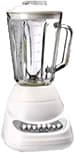
These are the pinnacle of messy appliances. Not only do they blend things up at supersonic speeds, they also have fine blades that get crud caught in them and are challenging and cumbersome to clean.
You’ll need: dish liquid and water
Step 1: As soon as you have transferred your smooth food out of the blender or food processor, immediately add 1/4 teaspoon of dish liquid to the container and fill half way with water. This will allow everything to loosen up and promote easier cleaning.
Step 2: Continue cleaning either when you have a break in your meal prep time or post meal by pulsing the solution for 15-30 seconds, depending on how grimy the container is. Rinse and repeat if necessary.
Step 3: Dump out the blended concoction and rinse well including the lid and the blade. Before replacing, wipe the exterior appliance down with a cloth and all-purpose cleaner. Towel dry the container, blade and lid and replace.
Microwaves
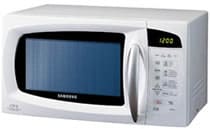
If you are an irresponsible microwaver, pay attention. Microwaving foods without a cover or lid can lead to tomato sauce and soup explosions making your microwave looking like a food fight war zone. Prevent this by placing a cover over microwavable foods and also use this simple trick to keep it clean.
You’ll need: Water, sponge, lemon and microwave safe bowl
Step 1: Take a microwavable bowl and fill it half-way with water. Then, cut a lemon in half and
squeeze the juice from both halves into the bowl of water and throw the lemons into the bowl.
Step 2: Microwave the bowl for 3 minutes and remove carefully when done (use oven gloves).
Step 3: Take a wet sponge and begin to wipe the innards of the microwave clean. Don’t forget the roof and the turning plate!
The steam created by the hot water combined with the lemon juice and oils breaks down even the toughest grease and grime, making it a much easier task for you. The interior will smell fresh and look terrific.
Toasters
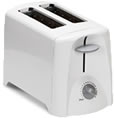
Beautiful bagels, tasty toast, whatever you want hot and crispy your toaster has you covered. But the toaster take a lot of heat, literally! When you pop something that has butter, sugar, syrup, raisins, cheese, sauce in the toaster, those substances become a hot mess and burn onto the glass, racks and bottom of the toaster making it nearly impossible to clean if left over time. We’ve all seen the bubbly mess and promptly avoided it, justifying our actions by not wanting our hot treat to go cold and stale. Further, crumbs fall to the bottom of our beloved toaster and get a little more charred each time we toast something. If you are wondering what that ‘burning smell’ is, look inside that toaster!
You’ll need: powdered dish detergent, sponge, baking soda, cloth, all-purpose cleaner.
Step 1: Remove racks and soak in a sink filled with hot water and a tablespoon of powdered dish detergent. Let them soak for an hour.
Step 2: Apply a 50/50 paste of baking soda and water to the glass pane and let it sit for 20 minutes. This will break down grease and spatter and allow it to wipe clean easier. Use a soft sponge to do this to avoid scratching the glass.
Step 3: If you notice any globs on the burners, gently remove them with a damp sponge.
Step 4: Finally, wipe the crumb tray nice and clean by rinsing it off in warm soapy water, drying and replacing. Many people don’t know about the crumb tray, which is a small pull-out tray that allows you to easily empty crumbs. Some people line it with tin foil (the lazy way but a good way) and change out the foil.
For a pop-in toaster, empty the crumb tray and shake the toaster gently over a garbage can.

Kettle/Coffee Maker
We use these to provide us with morning pick-me-ups, afternoon social hour and non-alcoholic nightcaps. In other words, they are frequented and need to be cared for! The key issue with these are that water left sitting will leave limescale deposits, and those lead to inefficient machines: they take longer to heat up and use more energy. You may see white deposits in your drink (how very unappealing but not harmful) and further, your appliance may stop working if the coils are too taxed. The way to clean the kettle or coffee maker are as follows:
You’ll need: plain white vinegar
Step 1: Fill the kettle with plain white vinegar and boil. When it is boiled, dump out in the sink (as an added bonus, your sink drain will get cleaned and deodorized – think about placing some baking soda down the drain prior to dumping out the vinegar).
Step 2: Rinse the kettle out with plain water to get rid of any vinegar.
Step 1: For a coffee maker, remove any coffee filters prior to this process.
Step 2: Fill the reservoir with plain white vinegar and turn on the brew cycle. Allow the vinegar to empty into the carafe (which will get cleaned as well) and then rinse the carafe out with water.
Step 3: Add plain water to the reservoir and run another two brew cycles to empty out any remaining vinegar, catching the water in the reservoir each time.
So, with these very simple tips with stuff you have in your kitchen at present time, what are you waiting for?
Head over there and get your appliances up to snuff!
10 Things You Can Clean With Simple Baking Soda ;
if I told you I could find one product that could be used as a deodorant, a toothpaste, an exfoliant and an antiseptic, you’d likely be impressed.
And then if you found out that same substance could be used in the kitchen to improve your favourite dishes, then clean the pots you used to cook them, leaving them grease free and shining, you’d be wowed.
I think I’d really shock you if I told you the same product could be used to shampoo your pets, clean your swimming pool, kill cockroaches, and relieve insect bites and stings. Well that product does exist and you can buy it today for a few bucks. So what is it? Baking soda!
1| Freshen up your fingers
With the invention of dishwashers, it seems the idea of washing dishes by hand is limited to larger dishes or those that have caked on food. For those of you that still use good ol’ rubber gloves, you’ve noticed the yucky smells they can emit after prolonged use. To keep your hands and gloves smelling like roses, sprinkle a bit of baking soda in them after each use. It will help to absorb any dampness, keep them fresh smelling, and will help glide them on and off with ease.
2| Cut it out
Over time, cutting boards can acquire an unpleasant smell from regular use. To freshen up your cutting board, shake about 3 tablespoons worth of baking soda onto the surface and sprinkle with just enough water to moisten it. Let it sit for about 15mins to absorb any lingering odors then rub well with a wet sponge. Rinse it clean and let it dry.
3| Radioactive Cleaning
You likely use it on a daily basis but how often does your microwave receive the TLC it needs? If your microwave is starting to smell a little rancid or has gotten so dirty you almost forgot what color it is, follow these easy steps to get it clean in no time. Add a few tablespoons of baking soda to a microwave-safe mug, filled halfway with hot water. Place it in the microwave and boil for around 5 minutes on full power. This will create steam which will condense on the inside of the microwave, loosening any food splatters and leaving it slightly damp. Take paper towels, a cloth, or a soft sponge and wipe it down. Leave the oven door open and let it air dry.
4| Adios bad odors!
Looking for a fresh smell after you vacuum? Here’s a hint: sprinkle it with baking soda first. Let it sit for 10-15 minutes or, if possible, overnight. Baking soda acts as a deodorizer and will help remove any funky and unwanted smells from your carpet. After you’ve let the baking soda settle into the carpet, vacuum the carpet until all traces of baking soda have disappeared.
5| Mirror, Mirror on the Wall
Mirror lost its luster? If you’re looking to have your mirror go from grubby to gleam, baking soda is just what you need. Sprinkle a bit of baking soda on a damp sponge or cloth and rub it over the mirror. Take a clean cloth or sponge and wipe over the mirror using fresh water. Next, use a crumpled newspaper to polish the mirror for a sparkling and smear-free finish.
6| Don’t sweat the stain
Perspiration stains are one of the most common laundry issues people face. For an easy fix, use a nailbrush to scrub the piece of clothing using a paste of baking soda and water. Let it soak for at least an hour for best results, and even longer for bad stains, then wash as normal. Since baking soda is also a deodorizer, you’ll remove the stain and the stink!
7| Let’s hear it for soleplate revival!
You may only use it to impress your boss, but a well pressed shirt and a clean iron go hand in hand. The soleplate of your iron can get marked easily and hard water build up can block up steam holes. To keep your iron in tip top shape, unplug the iron and let it cool before cleaning. Rub the plate with a paste of baking soda and water using a sponge or cloth. Don’t use anything abrasive since it will scratch! Wipe the plate clean with a damp cloth and buff dry.
8| Inked?
We’ve all been there. Your pen starts to leak onto your fingers and next thing you know, you’re walking around with a noticeable ink stain on your hand. For a quick fix, get your hands on some baking. Just rub your hands together with a mix of baking soda and water and watch the stain wash away. Baking soda will not affect your skin and is also helpful in removing paint stains.
9| Goodbye Garlic!
Garlic and onions are two very delicious and prominent cooking ingredients that unfortunately, can make your breath smell lethal. When tooth brushing isn’t enough, add the use a gargle made of ½ teaspoon baking soda mixed with water to your daily routine or post-dinner chore. The mix will help kill off any germs and bad odors, leaving your mouth fresh and clean.
10| It MUST be Gone
You sleep on it every night. But how often does your mattress get cleaned? Over time, mattresses can get a musty smell, especially if it hasn’t been used for a while. To help get rid of the funk, remove any sheets and mattress covers from the bed and dust the mattress with baking soda. Leave it overnight before vacuuming it up, and then repeat the process for the other side. If you want to help prevent the smell from returning, sprinkle baking soda on before you put the mattress cover back and make up the bed. This treatment also works great on pillows!
Category: GENERAL HOME CLEANING
Post Cold & Flu Clean-Up ;
So if you’re in a house recently touched by the latest cold, flu or super bug, here are a few things you can do to clean your home up afterward.
1. Bedding

When you are sick, you tend to sweat a lot while sleeping. If you can, try to place an extra sheet under your fitted sheet to absorb extra sweat from the sick person, it’s just a kind thing to do for your mattress. Try to also place a pillow protector on your pillow when sick too, same idea. When the cold is over, strip the bed, wash the bedding and replace. If you can, leave the mattress stripped for a while to air out. If there is any blood or vomit on the linens, pre-soak in OXY powder or a trusted stain remover. If possible, wash everything with hot water to kill bacteria.
2. Points of contact

Check out our in-depth video and post on cleaning points of contact. I was using my laptop, TV remote, door knobs and light switch plates. So, cleaning those points of contact once the cold has passed is a great thing to do, kind of goes without saying. This also includes any phones that were used. This is so utterly crucial!
3. Air out the house

Now, seeing that it is the middle of a frigid Canadian winter, opening the windows to let a cross breeze through is not an appealing idea. However, if cold or flu strikes spring or summertime, opening the window is a really good idea, fresh air goes a long way.
4. Bathrooms

This is where it all comes out, and that’s a good thing. But, this sacred space does need a sanitizing treatment before everyone can use the bathroom without running the risk of picking up that nasty bug. There are several places that need to be tended to in the bathroom. If you use hand towels, they need to be washed, stat. Also, throw any housecoats or bath towels in the wash while you’re at it. Remember to wash on the hottest cycle! Then, give all surfaces a nice disinfecting wipe down, focussing on toilets and countertops. Soak your toothbrush in hydrogen peroxide for 30 minutes to kill any bacteria lurking and finally wipe down those garbage cans. Clean and disinfect with a powerful product, consider using a mixture of 1 part water to 1 part rubbing alcohol, or water and 10 drops of tea tree oil, and even 1 part water to 1 part full strength vinegar.
5. Kitchen

Even though the kitchen may not be a popular place when sick, it still gets used. And, because it is so darn easy to pick up germs in the kitchen, the heart of the home needs a few hot spots to be cleaned before the germs are safely removed. This includes a good disinfecting wipe down of the counters and key points of contact. As well, use the sanitize dishwasher cycle to clean any dish ware used by the sick person. Finally, wipe down any garbage cans. Use the disinfecting products mentioned above.
6. Sick clothing

When I’m sick I break out the most ghetto pyjamas I can find, I don’t know why. Perhaps it feels contradictory to wear anything pretty when being sick. Regardless, these shameful items have an important place in my wardrobe and have lasted me years. When the cold is done, clothing can be washed in hot water to kill bacteria. If they have to be washed in cold water, consider adding 10 drops of a disinfecting essential oil to your wash (lavender, tea tree oil, etc.).
Well, I’ve got my work cut out for me, so I’m going to get right on that. I just wanted to post this up and let you know my post cold clean up plans. What are yours? Anything I’ve missed here?
Here’s to a speedy recovery!

Category: Bathroom Cleaning
The loo, the powder room, the restroom, the ladies’ room, the little boys’ room. Whatever you refer to it as, it needs to be cleaned and to no one’s surprise it is usually the place we hate to clean the most. Here are some great tips and tricks to make this area a lot easier to clean.
How To Clean a Bathroom ;
Bathrooms are such a hot topic with our community.
I don’t know many people that love cleaning bathrooms, and I’d have to say I don’t really like the job myself (although it’s vacuuming I dislike doing the most). So, because of this, I have devised a strategy that helps me complete this task (to freakin’ perfection might I add) with the minimal amount of effort and wasted time (because I’m efficient like that).
If you liked our Bedroom Cleaning Tutorial, you are going to seriously love this one.
I don’t know what it is that makes us so squeamish around cleaning the bathroom; is it the moisture content in the room, the strong products, the confined space, the hard work requires that it signifies, or the fact that we defecate in there. It could be a combination of all of these factors, but it’s not popular. Commercials completely victimize the poor bathroom, making it seem so undesirable and challenging to clean.
I don’t know about you, but I really love a clean bathroom. I like doing everything in a clean bathroom, and I don’t feel the same when getting ready/showering in a dirty bathroom as I do in a clean one. It makes for a much more enjoyable experience. Plus, I think when guests come over a clean (actually, immaculate) bathroom is paramount.
A lot of the ‘challenges’ around bathroom cleaning can be eliminated with the proper products and tools, knowing what you are doing and a strategy to get at it. I promise, once you learn the ways of the cleaning expert, your bathroom cleaning will become notably easier. I remember the first time I cared about cleaning was when I was getting my business started. I had no clue how to clean a bathroom and the time had come. My mom had a very sheepish grin on her face, that’s all I have to say, she couldn’t wait to see my performance (and is she ever picky). Anywho, I timed myself and it took me 45 minutes to clean a bathroom. It wasn’t a big bathroom and it wasn’t a pretty bathroom. It was a 1980′s bathroom and had really basic requirements. I just hated the job through and through because I was clueless as to how to get the job done and it frustrated me. Needless to say, the results were mediocre. So, once that painful experience passed, I decided to strategize my cleanings. Here’s what I’ve learned.
Let’s get to it!
My 3 rules for cleaning any room
Rule 1 – Get in the right headspace
Especially for the lou, you need to be in the right headspace. I don’t know what you need to do to get there (maybe watch one of our videos  ), but if I am not in the mood for cleaning, I literally waste time doing everything else but clean. If you haven’t cleaned your bathroom in a while, set aside 30-45 minutes. For a well-maintained bathroom, commit 20 minutes to the task. To make it easier on yourself, pick your music ahead of time, get a drink, and then get cleaning.
), but if I am not in the mood for cleaning, I literally waste time doing everything else but clean. If you haven’t cleaned your bathroom in a while, set aside 30-45 minutes. For a well-maintained bathroom, commit 20 minutes to the task. To make it easier on yourself, pick your music ahead of time, get a drink, and then get cleaning.Rule 2: Use the right tools and products, and have them all with you
Don’t waste your time using inadequate tools and products, get the good stuff that isn’t going to waste your time because of quality issues. Select items that you need; nothing more and nothing less, just enough to be efficient. My recommended product and tool list is below. Then, gather the items up and take them to the bathroom, don’t leave one item out. If you have it all with you, you won’t need to leave and that will keep you focused.
Rule 3: Have a Method
Have a plan, and that’s why I am going to share my list with you, so that you know what to do and the order to do it in. Also, work clockwise and stay on course, that way you won’t need to remember what you have and have not cleaned. You save so much time by not backtracking. You’re also going to focus on soaking areas that need it while you clean areas that don’t require soaking. That way, you let the products work for you on the really grubby areas, which reduces scrub time. Trust me, it’s brilliant.
Tools and Products
Let’s assume that watching the video and reading the post gets you in the most amazing cleaning headspace (which takes care of rule #1), you are ready to get your tools and products prepped. I am going to give you a general list here. But, if you have any specialty finish in your bathroom, I encourage to check out the post on cleaning high-end finishes so that you know exactly how to clean these areas without ruining anything. Here’s what you’ll need to clean your bathroom:
- Microfiber cloths for dusting, cleaning and polishing. I’d say to have 5.
- Glass cleaning cloth, for mirrors and windows (if you feel like cleaning your windows), have 1
- Vacuum (mop if you have hardwood floors)
- All purpose cleaner (you may choose one with a disinfectant if you wish)
- Glass cleaner, but I prefer vinegar, and full-strength vinegar if you can find it
- Tub and tile cleaner (which can be used for toilets as well)
- Garbage bag, bag for recyclables, replacement garbage bag
- Mop pole, hair elastic
- Squeegee (optional, but helpful)
- Toilet bowl brush
- Double-sided sponge (ideally non-scratching)
- Cleaning toothbrush
Now, you might have items and/or finishes in your room that I don’t have in mine, so if you have something that requires special attention, get the right product for it. Otherwise, this list will suffice.
Method*****
The method we’re going to use for this is the same one we used in our bedroom cleaning tutorial. The two key differences here, are that we are going to add an extra step to the first wave (spraying) and we are going to use the sink as our starting point rather than the door. This is because we’ll need to use the sink a number of times, and this way when we clean it last, we won’t need to repeat any work. We will also be spending time soaking more stubborn areas to allow the product to work to our advantage and save us lots of scrubbing time. You’ll see what I mean shortly.
I will refer to the method as I have before, as ’3 Waves’. Essentially, you’re going to do 3 circles (waves sounds sexier and less kindergarden-y) around your bathroom to cover off all the areas. The three waves are exactly the same: tidying, cleaning, and floors. That way, you tidy and deal with garbage and laundry first, scrub and clean second, and clean floors last. You can’t go wrong. You’ll always work clockwise and I pick the sink as my ’12 O’Clock’ so that I always have a consistent start and finish point.
So, let’s get started!
First Wave:Spray, Soak and Tidy
Spray and Soak
The first wave involves two parts; tidying and spraying all stubborn areas like tiles, toilets and glass doors. Work clockwise when doing this so that you don’t forget where you started. The reason we spray and soak at the beginning is to allow for heavy build-up to be easily broken down, and secondly to allow any bacteria to be killed (a disinfectant requires between 5-10 minutes of dwell time to do this). Let the product do the heavy lifting for you. So, the way you make this happen is as follows; before you do think about tidying, remove items that may be in the way of the tough areas (such as a plunger shower caddy) to allow for maximum coverage with the product. Then, spray all of these surfaces (don’t spray the tub yet, only the shower tiles and door, we’ll do the tub later). Be generous, because you don’t want the product to dry. If you are using anything harsh (which I sincerely hope you are not), please open a window or turn on a fan, and keep your door open. Ventilation is key. Ok, now that you’ve quickly soaked the tough areas, you can start tidying.
Tidy
Now that the spraying is done, we can proceed with the tidying part of the first wave. So here, we’ll circle around the bathroom and pick up garbage and recycling, put things where they belong (tidying) and some quick organization. For this wave, you don’t need cleaning products, you just need your garbage bag/recycling bag and perhaps a laundry basket for items that don’t belong in your bathroom, which you can leave just outside the door to save space.
As I go around the bathroom, I am scanning from top to bottom, left to right for any item that needs to be ‘dealt with’. For example, any magazines and empty toiletries can get recycled, garbage gets tossed, etc. Any items I don’t need in the bathroom go into the laundry basket which I’ll leave outside my door and deal with after the clean is over.
For the items that I pass which are in their right homes (because each item has a home you know), I tidy and organize them. I position them neatly and attractively on the surface (which we clean in the second wave). For example, my toothbrush, soap, facewash, etc. will be lined up neatly. I’ll remind you of my secret tidying tip which is to line my items up parallel or perpendicular to the edges of the furniture. That way, things always look straight. At this time, if you feel certain parts of your bathroom need a bit of reorganizing as you go along, this is the time to do it. For example, if you see you have 20 nail polishes and 8 of them are dried out or old, you can get rid of them now.
Finish this wave up by folding your towels neatly and making sure the space looks neat and organized. You’re all done and ready to move on to the second wave!
Second Wave
Cleaning, dusting and scrubbing
Now that the bathroom is neat and tidy and the grimy areas have had a chance to soak, it’s time to actually clean it. For the second wave, we’re going to tackle the scrubbing, dusting, cleaning and polishing. To prepare for the second wave, I keep a dry microfiber cloth over my shoulder so that I can ‘buff’ surfaces and items dry (and access it quickly), a clean microfiber cloth in the other hand and a bottle of all-purpose cleaner close by.
High and low dusting is the first thing you’re going to do. The important thing to know about dusting is that dust falls from the top to the bottom, so you want to start at the top and work your way down. That’s why we start with the high dusting. Prepare your high and low dusting tool now, by placing a dampened microfiber cloth over the end of a mop pole and securing it with the hair elastic. Start at your 12 O’Clock point and raise the tool up to the seam where the ceiling meets the wall. Walk it from corner to corner around the room (moving clockwise) dragging it along the corners and edges along the seam (cobweb central). While you’re at it, you can also clean any door frames, vents or light fixtures (which should be off if you are cleaning them). When this is done, you can either move on to cleaning, or back track your steps and clean the baseboards using the same tool.
Now that your high and low dusting is done, take 2 microfiber cloths and your bottle of all-purpose cleaner and glass cleaner. Leave the glass cleaner by your mirror so you don’t need to drag it around with you. Spray your cloth so that it’s damp and head to your 12 O’Clock area to start. Start scanning (top to bottom) and seek out any fingerprints or marks on the wall, points of contact, or horizontal surfaces that need dusting and polishing. You are literally going to scan, moving your head in an ‘yes’ position (up and down) looking for things that NEED cleaning. Include furniture and room decor in this scan, and clean items as necessary. As you get to countertops, remove all items on the surface, clean the area by spraying it and wiping clean in an ‘S’ pattern, and then replacing all items back on the counter where you found them, neatly. Wipe the items as you replace them. When you reach the mirror, clean that as well. I cheat a little bit and only clean as far as I can reach (because it really doesn’t get messy higher than that).
Now, you’ll hit the toilet. Assuming you’ve sprayed the whole toilet (learn how to do it here), put some gloves on and take your paper towel and wipe the tank, flusher, lid, top and bottom of the rim, base and area behind the toilet with paper towel. Discard the paper towel, we’ll do the bowl now. Take your toilet bowl brush and scrub; start with under the rim (stand back!) and then swirl your way into the bowl until you get to the chute, which also needs to be scrubbed. Then, flush, and close the lid with the toilet brush dangling above the toilet bowl; this way it drip-dries. You can also clean out the bowl brush container at this time (using paper towel).
Moving right along, we’ll get to the tub and shower area. We created a comprehensive video and post on cleaning a shower, which can be found here. Since you have sprayed
If you wish to disinfect your points of contact, use a disinfectant for this (unless your all-purpose cleaner does this too). When it comes to cleaning furniture, here’s what to do. Remove all items, and place safely on the floor, spray the furniture surface if you can, or just use a damp cloth to wipe if not. Wipe in an ‘S’ pattern (starting at one end and moving to the other, and zig-zag back and forth until you are done). Grab your buffing cloth if necessary to dry the surface before replacing items and then replace items, one by one, quickly wiping each one as you replace it in the right spot. Since you’ve already organized and tidied, you have less things to do during this wave, and you can strictly focus on cleaning. Check to see if your furniture’s vertical surfaces have fingerprints on them and spot clean as required (vertical surfaces get less dirty than horizontal ones, so they don’t need as much cleaning).
For your mirror, spray it with glass cleaner, then take a clean microfiber cloth and wipe using an “s’ pattern from top to bottom, and buff out any streaks as needed. Move along to your window sill, use a cloth to wipe the frame and sill of the window, and you can spot clean any fingerprints if you wish. I use the same method for picture frames, which you can see in the video. I also support any item by holding part of it secure with my left hand while I clean with my right hand. That prevents it from falling! I don’t clean my window coverings in this video, but you can certainly do this if you wish. See, with focused effort, this was easy and effective.
Third Wave
Points of Contact, Empty Garbage & Wipe Floors
Congrats! You made it to the third wave, and this wave won’t take long at all – simply clean your points of contact – empty your garbage and clean the floors, using a microfibre cloth .
Category: Gadget & Electronics Cleaning
We spend a small fortune on them, we had better know how to clean them! Here are our tips and tricks for keeping your gadgets and electronics clean and maintained.
Clean A Laptop: Electronics Cleaning Essentials ;
Looking for the quickest, easiest way to clean your MacBook or PC laptop? Well, Melissa Maker can help!
In this episode of Electronics Cleaning Essentials, we learn how to clean your laptop including the screen, body, ports and even disinfect the keys. We use a Macbook and a Dell laptop in this cleaning video.
We’ve looked at the manufacturer’s instructions to determine the safest and most effective way to clean a laptop and this is how it’s done.
Make sure to check your manufacturer’s instructions as well.
You use your laptop daily; you eat with it, watch TV with it, use it when you are healthy or sick in bed. We’ve all seen the fingerprints, dust, streaks, black marks (which is a build-up of bacteria, BTW) and crumbs lodged in tight spaces etc. The bottom line is that laptops get pretty dirty and need to be cleaned.
Items you’ll need:
- Rubbing alcohol and water (50/50 mix)
- Cotton swabs
- A cleaning toothbrush
- Compressed air
- Water
- An optical cloth
Start by unplugging the laptop and turning it off.
- Take the cleaning toothbrush (dry) to brush out any debris stuck between the keys, grooves, and even small speakers. Start at the top and work your way down so that you don’t re-distribute the debris. Poise it on an angle if you can, that way the dirt falls down easier and won’t re-settle in the laptop.
- Next, take your compressed air and blast out any stuck debris from the keys, track pad and speaker areas. Move over and quickly blast any dust out of the ports as well. It is important to not shake compressed air. Use the can in short, deliberate blasts (i.e. don’t hold the trigger for a long time). Be sure to hold it upright, not on an angle. When the bottle gets very cold, let it rest for a few moments.
- Once that’s done, lightly mist one quarter of the cloth with water/rubbing alcohol mix and tap the wet side on the back of your hand to remove any excess moisture. A dripping cloth used to clean your laptop would let moisture into the circuit board and effectively ruin your laptop (not a good idea).
- Wipe the damp side along the top keys of the keyboard and work your way down, in an ‘s’ pattern, using a little more pressure to get the tougher debris out. Remove any hardened on spots on keys or between keys by gently working the cloth in a circular motion. You won’t need to dry it since rubbing alcohol dries very quickly and you won’t be using much moisture anyway.
- Now, flip the optical cloth onto a dry quarter and lightly mist it with water. Tap it off on the back of your hand to remove excess moisture. Starting at the top left of the screen, gently wipe the screen clean working your way across the top and then down using that ‘s‘ pattern again. Buff out any streaks with a dry corner of the cloth (that’s why we fold it in quarters). Don’t press too hard! Close the laptop and wipe the exterior with the dampened cloth. You’ll notice streaks and fingerprints tend to come right off with this very simple technique. Buff out any stubborn marks with your finger wrapped in the cloth.
- Finally, use a cotton swab lightly misted with the 50/50 mix to get in between any crevices and keys you were not able to reach with the cloth and gently wipe away any grime.
As part of our Electronics Cleaning Essentials, we’ll show you the proper, basic way to clean and maintain a laptop. Please note: this video does not go in to complex cleaning issues – if you have a specific question that was not answered in the video, please leave us a comment and we’ll provide you with a more specific answer.
Category: Kids & Babies
They may be small, but their cleaning needs are not! Here’s what we have found to be the most helpful for harried moms and dads when it comes to cleaning.
Getting your Kids to Clean! ;
Cleaning doesn't really come naturally for kids, does it? It sure didn’t for me. So it’s no surprise that we get asked about the best ways to get kids to clean quite a bit.
Now, Chad and I don’t have kids yet, but we’ve done a lot of research and have asked a plethora of parents for their best advice, and we are sharing our favorite tips in this post.
So, let’s get right to it, shall we?
Make it fun
Cleaning doesn’t need to be boring – in fact, with a little imagination – cleaning can be fun!
- You can start by playing music during clean up time – pick one or two songs and while they are playing everyone gets down with some groovy cleaning action!
- It’s also fun to turn cleaning into a game or a challenge – perhaps it could also be an important mission – like preparing the spaceship for launch, or that the Minions have to get all the housework done for Gru. Children might not yet understand the importance of a clean, clutter free life – but most children do understand the importance of completing an important mission, so work with that.
- You can play laundry basketball, have cleaning races, sweep the floor crud onto the special tile, and had I even read somewhere of a mother whose daughters would pretend to film cleaning commercials while cleaning – how fantastic is that?!
Whatever you do, this is a perfect opportunity to let imaginations run free – cleaning is only a ‘boring chore’ if you let it be one
Make it easy
They are children, so manage your expectations accordingly.
- Instead of cleaning the entire bedroom, start by just making the bed and putting away some books and toys, you want to keep it simple and be specific.
- Give them attainable goals and follow up with compliments. The culmination of these types of positive reinforcement helps to create long-term habits.
- Focus on one thing at a time and remember to have them doing an age appropriate cleaning job – if you’re wondering what an age appropriate cleaning job is (see below).
- Make a schedule and put it on the fridge – essentially, you’re making cleaning just part of a normal routine each day
If the task is too complicated, they’ll surely lose interest, and if they can’t succeed at it, same result will occur. Making it easy means it can be seen through to completion.
Participate!
If everyone else is doing it, I can too!
- Set the example by cleaning with your children – trust me your kids would rather have you participating in the cleaning than standing there watching them.
- They’ll mimic your mood, mindset and actions, so join in!
- It’s also important that you commit to living a clean lifestyle yourself. You lead by example, so if you want them to make their beds then you better be making your own :).
Give Rewards & Recognition!
Everyone loves some R and R!
- By rewards, I don’t mean money – a reward can be a family game night, movie night or even just another hour on the xbox.
- By recognition, I do mean recognition – the first thing anybody wants is a little recognition of a good well done – so make sure that’s the first thing children hear
Positive reinforcement has legs!
..and Finally, Adapt!
There are no real rules to how you get your kids to clean, because every child and each family is so unique – so, you’re going to have to learn to adapt and be creative with your approaches. Just concentrate on making cleaning a routine part of normal life, like brushing your teeth and not a chore, like doing your taxes.
So, now it’s you turn – this is a call to all the parents in the Clean My Space community – what do you do to get your kids to clean? leave us comment down below and help us help others! Our goal is to have this post be the go to place for parents to get their kids to pitch in.
Age-appropriate cleaning tasks
This is a progressive list, so as the child grows older, add the additional tasks to their capabilities.
2-3 years old
- Put toys and crafts away
- Put clothes in hamper
- Bring dishes to sink area (hand them to a parent)
- Place garbage in garbage bin, recyclables in recycle bin
4-5 years old
- Collect dirty clothes and place in hamper
- Help fold socks, underwear, small towels
- Put clothing away in drawers and closet
- Set the table
- Water indoor plants
- Help place clothing in the washing machine and dryer
- Make bed
- Empty lunch bag
- Empty school bag
- Put shoes and jacket in proper place each day
- Tidy up play area
6-8 years old
- Dust with microfiber cloth
- Wipe baseboards
- Tidy and organize play room by toy type
- Help with dishes (unload, load, hand-dry, put away reachable items)
- Sweep the floor
- Tidy and organize bedroom
- Fold shirts, pants, hang up clothing on hangers and place in appropriate location
- Wipe window sills
- Wipe kitchen table before/after dinner
- Wash produce, find and replace ingredients for cooking
- Collect garbage from garbage cans around the house
- Changing toilet paper roll
9-11 years old
- Tidy living room/den/office including folding blankets, fluffing pillows and putting everything in its’ place, lining up items parallel and perpendicular
- Clean bedroom including making bed, organizing books and toys, and placing clothing in its proper place (closet, drawers, hamper)
- Changing bed linens
- Load and unload dishwasher
- Vacuum
- Mop
- Wiping out bathroom and kitchen sinks and counters
- Wipe out microwave
- Take garbage and recycling to the curb
- Laundry – washing and folding
12-15 years old
- Clean toilets
- Clean shower and tub
- Clean inside fridge
- Clean inside stove
- Organize front hall closet
- Organize cupboards in kitchen and bathroom
How to Clean Baby & Kids Toys ;
“How do I clean baby toys?”
Great question, people! And I wish I had lots of pictures and experiences to share with you on this topic, but as you probably know, I have no kids. I have 2 cats and they will do until my husband and I decide to fire up the ol’ family machine. Until that point, I have plenty of friends with babies and have received a ton of exposure to kids of all ages. I’ll admit it, they’re growing on me. Time and again, my friends (who used to ask me if their butts looked good in their tightest clubbing outfit) are now asking me how to clean their kids’ toys. Oh friends, how the times have changed. Friends aside, a TON of community members are parents and ask me this very question.
So, for all of you who I will now be forever referring to this post, here’s how it is done safely, quickly and effectively. Remember that frequency is up to mom and dad. There are recommendations however some parents are less stringent than others. It is entirely your call, much like your parenting style.
I have divided the toy cleaning instructions into 5 major categories..
How to Clean Plush Toys
Most plush toys come with a care label, and that should be reviewed to determine the appropriate cleaning procedure. Many will say to hand wash only, and that’s fine. However, if you are dead set on putting them in the wash, you certainly can. If you don’t need to wash but just remove dust, you can quickly vacuum the fur if the toy by using a trick we discussed in our dusting tips post, where you place old pantyhose over a vacuum brush attachment, and vacuum the dust off the toy. And now, back to washing. A couple of snags you may hit along the way would be that crinkle toys won’t crinkle anymore, and faux fir or stuffed animal ‘hair’ may frizz up or mat never to be returned to normal.
What plush toys can’t be washed in the washing machine?
You are welcome to risk whatever you wish, it’s the wrath of your child you need to consider. Heed these fair warnings and you should be OK. Do not machine wash if:
- The toy contains a music box
- The toy is old and/or fragile
- The toy has glued on items like sequins, ribbon etc. However, glued-on eyes can probably handle a wash
- The toy has delicate items on that can’t be removed (little outfits or accessories)
- The toy is stuffed with anything but polyester batting, like tiny foam balls or beans.
Washing Machine
Keep in mind that a top-load washing machine, due to the agitator, may displace the batting of the animals. For a high-efficiency washer, you’re in good shape. Regular detergent is fine, and I’d use something safe for baby i.e. dye and scent-free. Consider adding in a scoop of oxygen bleach powder to the wash if they are stained or smelly. Then, take an old pillowcase and throw the plush toys into the pillowcase. Close it up with a while pipe-cleaner, twist tie or piece of fine wire (or perhaps use a pillow cover with a zipper instead) and place in the wash. I’d recommend using a delicate or gentle wash cycle with cool or warm (not hot) water. If the water gets too hot, it can melt glued-on items (leading to a very sad child). When the wash cycle is done, pull out the toys and brush the fur with a fine-tooth comb to re-fluff it (white glove service right here).
You have a couple of drying options too. You can place the pillowcase in the dryer on the fluff-cycle (never leave unattended) or, remove the stuffed animals and hang them to dry, or dry them in the sun. Treat the toys like clothing and wash like colours together. You may want to consider washing them with towels instead of clothing just in case a toy’s colours run in the wash. Your plush toys should be in tip-top shape!
Hand Washing
For toys that claim to be hand wash only, or that fall under one of the 5 points mentioned above, simply hand wash with a mild detergent (try to use scent-free if you can) by immersing a clean cloth in a mixture of dish soap and water, or baby shampoo and water. Massage the mixture gently over the toy, working in a circular motion. Then, rinse the cloth well and begin to remove the soapy residue with the cloth. Let it air dry either by hanging up indoors or laying out in the sun.
How to Clean Plastic, Rubber or Silicone Toys Without Batteries
Softer plastic and rubber toys
you are best to wash them in the sink as opposed to a dishwasher since these materials are more susceptible to melting or deteriorating in hot water. Thin, flimsy plastic toys fall into the same category. So, to clean them, simply add a squirt of dish soap to a sink, bucket or basin and add in warm water. Then, clean the toy by wiping it with a soft cloth or an old toothbrush. Rinse well in cool water. Now, to disinfect the toys, spray the toys with a 50/50 mix of rubbing alcohol and water and let them stand for a minute. Rinse again and lay flat to dry. Clean and sanitized! I don’t believe in using chlorine bleach so this is a perfectly safe alternative. If you don’t care about the toys all that much, feel free to place them in a delicates bag, lay the bag on the top rack of the dishwasher and run through a water-only sanitizing cycle in your dishwasher (and don’t have dirty dishes in there either). It’s your call, but if the toys melt don’t say I didn’t warn ya.
Hard plastic toys
Toys like rattles, Lego, Duplo etc. can be thrown into a delicates bag and placed in the dishwasher as mentioned above.
Silicone toys
These can go into the dishwasher (top rack, as above) or can be boiled in a pot for cleaning and sanitizing.
How to Clean Plastic, Rubber or Silicone Toys with Batteries
For any toy like this, whether it is battery-operated or plug-in, it simply cannot be immersed in water. So instead, dip a cloth in soapy water and wash the exterior of the toy being careful not to get any moisture near the battery box (batteries should be removed prior to cleaning) or wiring (oh, and the toy should be unplugged before cleaning). As well, make sure that no moisture gets into the gaps between moving parts. To sanitize the toy, mix 50/50 rubbing alcohol and water in a bowl and saturate your cloth in the mixture and wring it out well. Wipe it over the ‘safe’ parts of the toy. Rubbing alcohol dries quickly, but if needed, you can wipe it off to remove the excess moisture.
How to Clean Dolls with Hair (Barbie, Ken, My Little Pony etc.)
I had multiple ‘hair toys’ when I was growing up. And to this day, I love my hair so perhaps I have my Barbies and Ponies to thank. However, I didn’t know these cleaning tips back then and they could have really helped.
Hair
So, for doll hair (aka thin plastic strands), here’s what you can do. Shampoo the doll’s hair using a couple of drops of dish soap and massage into the hair, if the hair is woven into the scalp. If the hair is glued on, don’t bother, it will likely fall out. Then, rinse well with cool water and lay flat to dry, ideally comb to avoid tangling. If you notice the hair is seriously knotted or matted, soak the strands in a small bowl of conditioner and water overnight and then rinse out. Comb gently to remove the knots and lay flat to dry. This may sound silly, but never blow dry the hair.
Body
You can clean these hard plastic bodies with a couple of easy tricks. To remove marks and stains, create a tiny amount of paste with oil and baking soda. With a cotton swab, apply to the stains in a circular motion, then rinse the area with a dampened cloth. Make sure you don’t remove any paint (facial features, nail polish) when doing this! For tougher stains, use a tad of nail polish remover on a cotton swab, then rinse the area well.
To disinfect these toys, create a 50/50 mix of rubbing alcohol and water in a clean spray bottle and simply mist the toy from head to toe. After a minute, wipe with a dry cloth and voila, clean and disinfected.
How to Clean Wood Toys
According to my research, wood has anti-bacterial properties. However, if I were a parent I’d have trouble taking that at face value. So instead, you can soak a cloth in white vinegar and wipe the toys down occasionally. Vinegar will clean and acts as a mild disinfectant, so I would consider this a great cleaning method for wooden toys. They don’t need to be cleaned all too often, but if they do need a good cleanse, this is all you need to do. The vinegar smell will dissipate within minutes.
Why is Toy Cleaning Important?
There are tons of reasons which we can discuss, but for me the biggest one would be to keep kids as healthy as possible.
What causes a cold?
Contrary to its name, a cold is not caused by exposure to cold air—it’s caused by a virus infection. Colds are also known as Upper Respiratory Infections or URIs, and 200 different kinds of viruses have been found to cause them. Studies have shown that people who were exposed to a respiratory virus got sick with a cold, while people simply exposed to cold air did not get sick. Interestingly, those exposed to the virus plus cold air were no more likely to get sick than those exposed to the virus alone.
Why, then, are colds more common in the fall and winter? The cold weather doesn’t give children colds, but it makes them spend more time indoors where they spread the viruses to each other. In fact, keeping children indoors with the heat turned up and the windows shut actually makes them more likely to catch colds.
How do you prevent the spread of colds?
It’s probably inevitable that your child will get some colds. Infants and toddlers average 10-12 colds per year, preschoolers average 5-6 per year, and older children and adults typically get fewer. Although it’s miserable to have a cold, the good news is that exposure to the viruses helps children develop immunity to help prevent future colds. And staying healthy with good nutrition, enough sleep, and exercise helps to keep the immune system strong.
Because kids are always getting sick, and because they are always playing with toys (and each other), cleaning toys is crucial to keeping colds away, especially during the colder indoor months.
What causes a cold?
Contrary to its name, a cold is not caused by exposure to cold air—it’s caused by a virus infection. Colds are also known as Upper Respiratory Infections or URIs, and 200 different kinds of viruses have been found to cause them. Studies have shown that people who were exposed to a respiratory virus got sick with a cold, while people simply exposed to cold air did not get sick. Interestingly, those exposed to the virus plus cold air were no more likely to get sick than those exposed to the virus alone.
Contrary to its name, a cold is not caused by exposure to cold air—it’s caused by a virus infection. Colds are also known as Upper Respiratory Infections or URIs, and 200 different kinds of viruses have been found to cause them. Studies have shown that people who were exposed to a respiratory virus got sick with a cold, while people simply exposed to cold air did not get sick. Interestingly, those exposed to the virus plus cold air were no more likely to get sick than those exposed to the virus alone.
Why, then, are colds more common in the fall and winter? The cold weather doesn’t give children colds, but it makes them spend more time indoors where they spread the viruses to each other. In fact, keeping children indoors with the heat turned up and the windows shut actually makes them more likely to catch colds.
How do you prevent the spread of colds?
It’s probably inevitable that your child will get some colds. Infants and toddlers average 10-12 colds per year, preschoolers average 5-6 per year, and older children and adults typically get fewer. Although it’s miserable to have a cold, the good news is that exposure to the viruses helps children develop immunity to help prevent future colds. And staying healthy with good nutrition, enough sleep, and exercise helps to keep the immune system strong.
It’s probably inevitable that your child will get some colds. Infants and toddlers average 10-12 colds per year, preschoolers average 5-6 per year, and older children and adults typically get fewer. Although it’s miserable to have a cold, the good news is that exposure to the viruses helps children develop immunity to help prevent future colds. And staying healthy with good nutrition, enough sleep, and exercise helps to keep the immune system strong.
Some Quick Tips
 A comprehensive guide to cleaning baby and kids’ toys, using safe and non-toxic methods!
- Clean fallen toys with a baby wipe if you are out and can’t properly clean the toy.
- For parents who want to be chemical-free, use a steam cleaner to steam clean toys, play pens, baby carriers and high chairs for easy and effective cleaning and sanitizing, wipe clean with a cloth.
- Baby and toddler toys should be cleaned once or twice weekly since they are often placed in the child’s mouth, and can also be shared with other children. Children’s toys can be cleaned monthly and plush toys can be cleaned a couple times per year.

How to Clean A Backpack & Lunchbag! ;
1. How to Clean a Backpack
The number one question we were asked is of course, how to clean a backpack. I get this, I used to cram everything into my school bag, with little regard for its clean and orderly carriage. Needless to say, there were always interesting things lurking in and on my school bag, which is why cleaning it would have been a great idea. So for all of you, years after school has ended for me, I’ll explain the right way to do it.
Firstly, all bags are not created equal. Usually, they are made with similar materials, but you still need to check the fabric care label to determine the proper way to clean the bag. Materials have different care requirements, so be sure to pay attention to the label to avoid damaging the bag.
Firstly, all bags are not created equal. Usually, they are made with similar materials, but you still need to check the fabric care label to determine the proper way to clean the bag. Materials have different care requirements, so be sure to pay attention to the label to avoid damaging the bag.
Pre-treat any stains ahead of time with your stain remover of choice, just don’t use anything that can bleach. I used my homemade version found here, but you can use any one that you like. For stains and goopy globs, soak the bag for an hour or two in OxiClean before washing.
Most care tags should say machine washable, in which case you machine wash in cold water on a gentle cycle, using gentle detergent. If there are jewels or decals on the bag, they may come out in the wash, so you might want to consider hand washing if that is the case. Further, if there are a bunch of straps dangling off the bag, you can either remove them and wash by hand, or place the backpack in a laundry bag or pillow case to keep the straps at bay.
If you can’t machine wash the schoolbag, you can hand wash it by using warm water and dish liquid or laundry detergent and clean gently with a scrub brush, which will help clean the tough material and get stains out. This can be done in a basin sink or bathtub. If the material is delicate, consider using a sponge instead.
Once washed, hang the backpack to dry. Avoid placing in the dryer, only because dryer heat can ruin certain fabrics. On that note, if you can hang the bag to dry in the sun, bonus points for extra deodorizing!
2. How to Clean a Lunch Bag or Lunch Box
We also get asked quite often how to clean lunch bags and lunch boxes. With the advent of ‘litterless lunches’, a lot more goes into and gets stored (read: garbage) in lunch bags and lunch boxes. This means additional cleaning and diligence is required in maintaining said lunch carrying mechanism.
Usually, lunch bags have foamy inserts between the exterior and interior, and a gentle plastic lining. The exterior is a similar material to that of a backpack, so fairly durable and easy to clean.
We’ll apply the same cleaning method here as we did for the backpack;we’ll check the care tag and see if it can be machine washed. Most good quality bags can. Use cold water and gentle detergent, and wash on a gentle cycle. To hand wash the bag, use the same mixture of dish liquid and warm water, and a soft sponge or cloth to wipe clean. Set your lunch bag to hang dry, again we’re going to avoid the dryer here.
If you’ve got a stain in the plastic lining, you can create a paste of baking soda and water to remove it, simply apply with the sponge and wipe off, then rinse well.
To clean a lunch box, simply wash using a sponge and warm, soapy water. Leave upside down to air dry.
To deodorize a smelly lunch bag or box, simply leaving baking soda in it overnight, then dump out and wipe clean in the morning.
3. DIY Backpack Deodorizer
It is no secret, given how inattentive kids and adults alike can be to backpacks and sports bags, that these carryalls begin to stink to high heaven. Fear not, because there are a few simple ways to deodorize bags which are cheap and cheerful.
For starters, flip the bag inside out and leave it to hang out in the sun for a few days. The sun has a way with smells and can magically deodorize all kinds of items, including school bags.
Another idea is to place a fabric softener sheet in the bottom of the bag, which will not deodorize but will cover any unsavoury odours. I find this to be too strong, but if you like it you can try it.
For a more natural method of the fabric softener sheet idea, you can try this instead. Fill a bowl half way with water, add 10 drops of your favourite essential oil (or a mix of 2 or 3), and then soak the cloth in the bowl for about 10 minutes. Wring out gently and hang to dry. The cloth will smell nice and you can place that at the bottom of the bag.
Finally, you can use newspaper to deodorize. It’s hard to believe, but newspaper can absorb odours. Start by removing all bag contents and crumple up several pieces of newspaper. Then, gently spritz the newspaper with water and vanilla extract (don’t soak the stuff, just a light mist will do) and stuff the backpack with newspaper. Let the bag sit for the weekend. When the newspaper is removed, you’ll have no smells in the bag, save for vanilla! I guess this is dependent on the success of the newspaper industry though…
Alright my friends, that wraps up our first of three posts and videos on back to school cleaning tips. We’ve got way more tips coming up where we’re going to share a brilliant way to clean and organize your desk as well as how to handle pen and marker stains and an amazing locker tip that you won’t want to be without.
